
Allowing the Past to Speak
June 5, 2026
How the Schifferdecker & Zelleken Homes Became a New Model for Immersive Historic House Interpretation
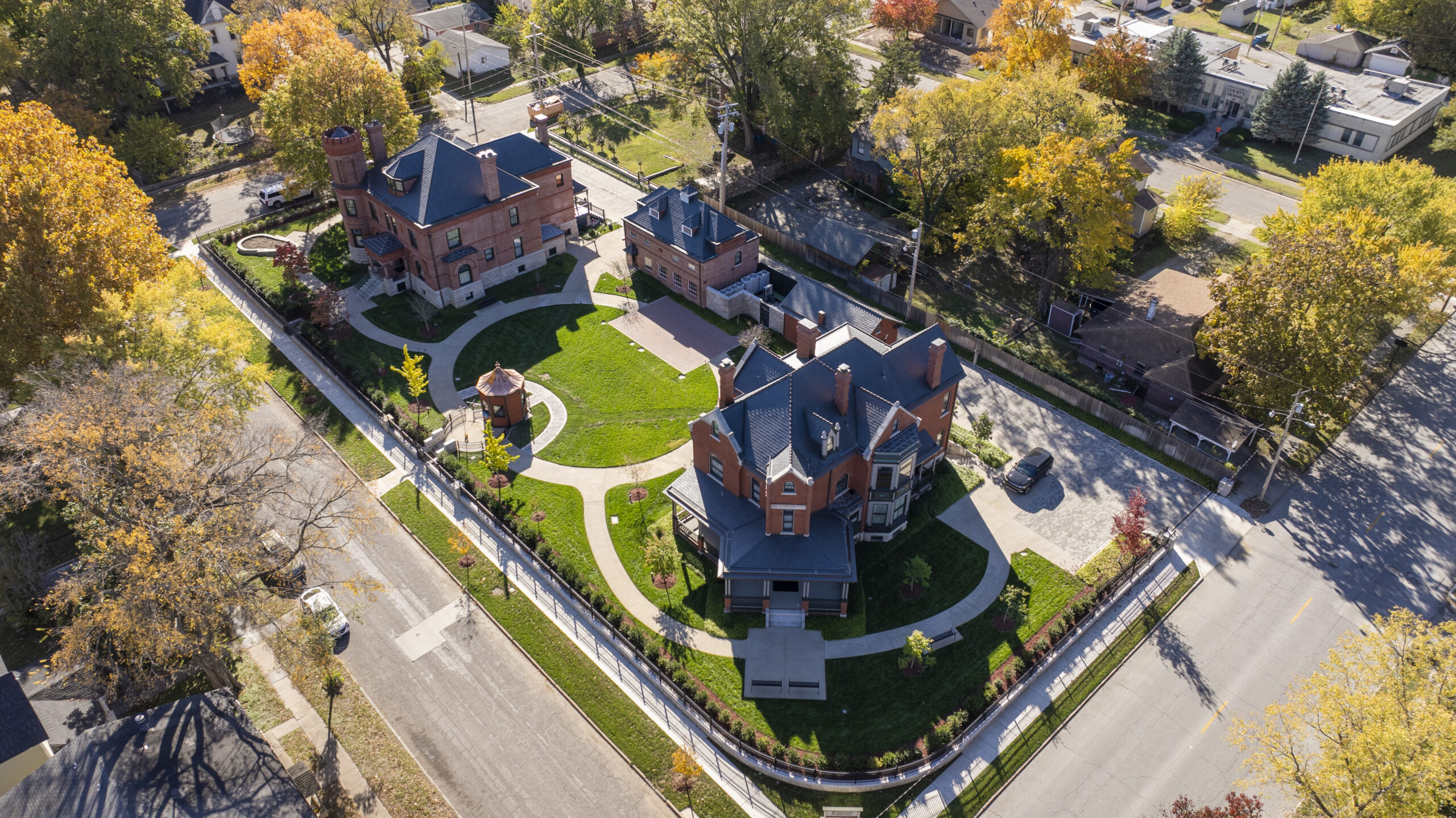
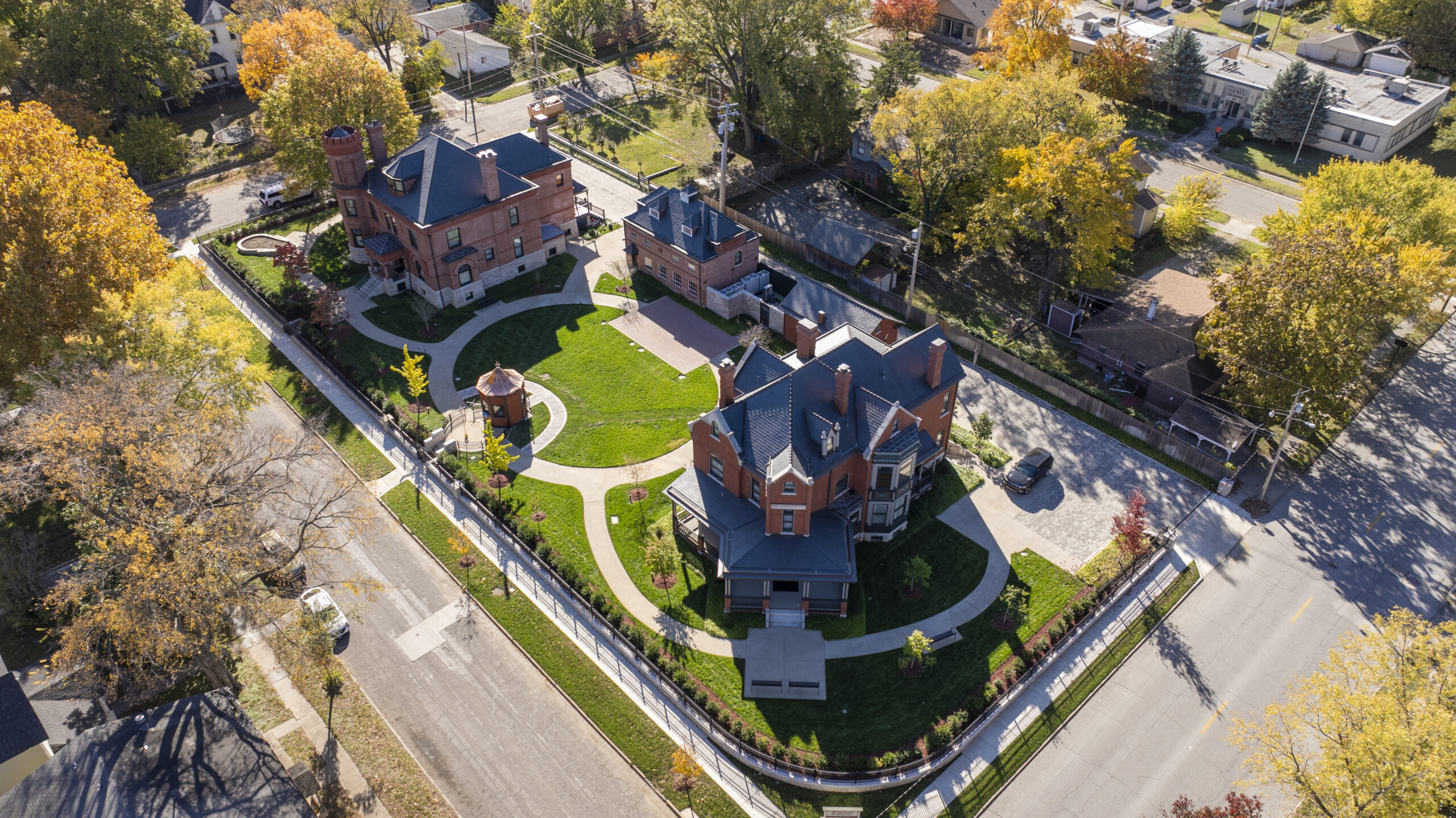
German immigrants Charles and Wilhelmina Schifferdecker and Edward and Margaretha Zelleken arrived in America with little more than ambition and a willingness to adapt. Over time, they built personal prosperity and a legacy in Joplin, Missouri, shaping its growth, supporting its industries, and establishing institutions that would serve the community for generations. Today, their two landmark homes still stand as physical reminders of that journey.
Now restored, those homes offer an experience that unfolds as a layered narrative, bringing Victorian-era life into focus while honoring the architectural integrity that makes these places authentic. But the road to that experience was long, iterative, and full of unexpected discovery. This is the story of how it came together.
A Vision Nine Years in the Making
The vision evolved over the nine-year restoration journey. “Initially, our mission was to restore the Charles and Wilhelmina Schifferdecker and Edward and Margaretha Zelleken homes from floor to ceiling, offering a look into late Victorian America,” Brad Belk, principal historian and house site director, says. “However, as the restoration progressed, opportunities emerged. When we reached out to PGAV for consultation, their innovative direction changed the trajectory of our educational program. In time, an extensive immersive plan was developed that brought voices from the past to life.”
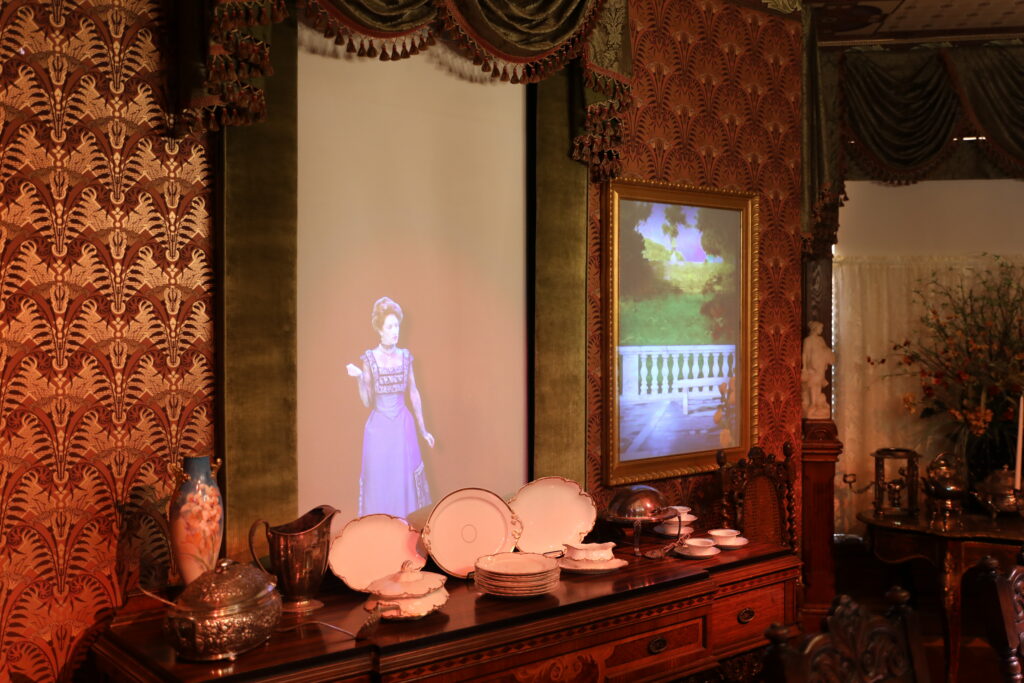
While many tours through historic homes tell a story, the Schifferdecker and Zelleken homes perform it. PGAV served as lead media producer, partnering with Boston Productions Inc. (BPI) to develop the full suite of story-driven audio and visual content. Through discreetly integrated projection, audio, and lighting, the houses themselves became storytellers.
“Our goal was to let the houses speak,” Brian Roash, Art Director, PGAV Destinations, explains. “By blending projection, sound, and storytelling into the fabric of each room, we created moments where the past feels present. Where a portrait can come to life, or a dinner party can unfold around you in a way that’s both intimate and unexpected.”
From a Victorian portrait that comes to life to guide guests through a dinner party to projected historical characters animating the narrative within detailed period settings, each moment is carefully choreographed to deepen the story.
Observation Deck
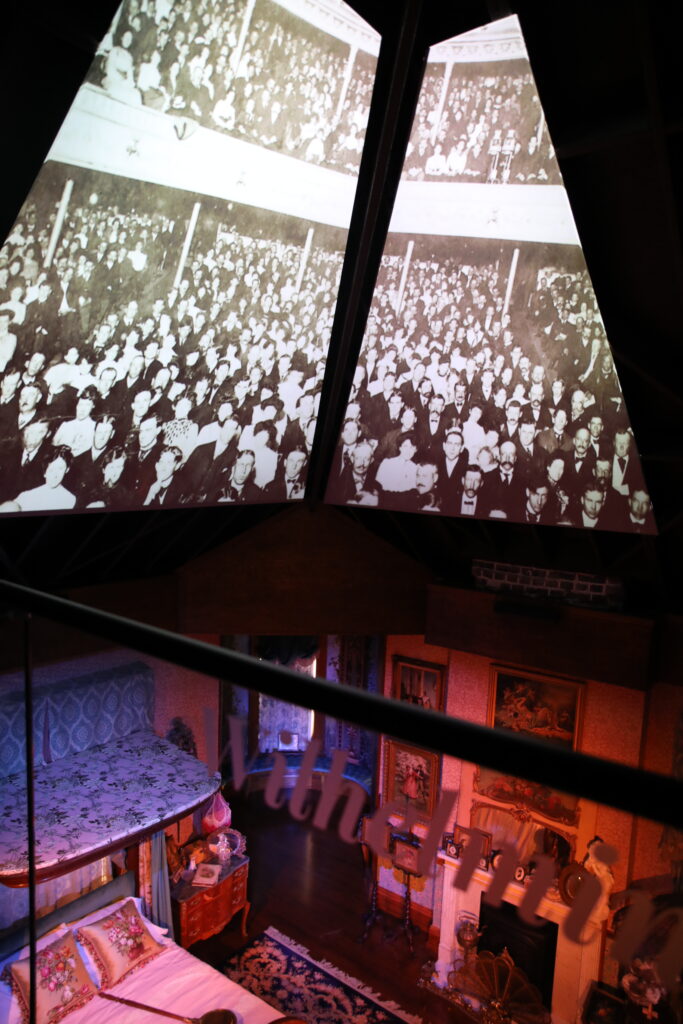
The incorporation of the observation deck became the catalyst that triggered the immersive tour experience. It changed the course of the educational approach and opened the door to presenting history in an innovative form.
The backstory shaped how the observation came to be. During the early morning of March 4th, 1991, Gertrude Freeman and her son Bill died in a fire that engulfed the home at 422 South Sergeant, the former Schifferdecker home. The fire decimated the roof and the former servant’s third-floor living quarters. The third floor was never rebuilt.
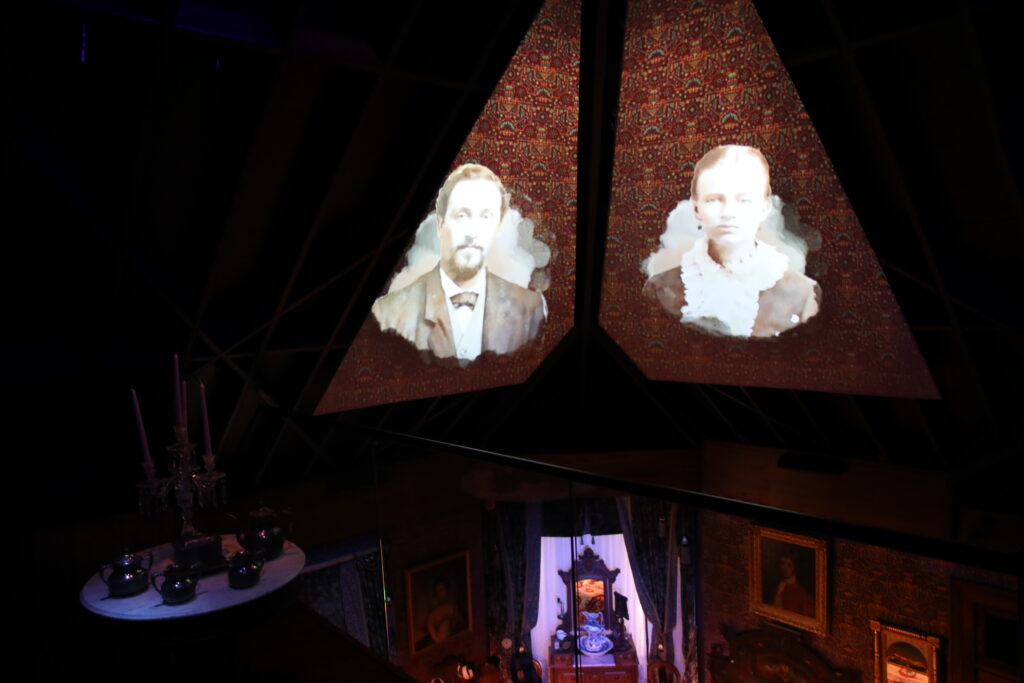
Above the second floor, where the original third floor would have rested, the restoration team constructed a cross-shaped platform incorporating rafter ties to lock in the exterior walls. The resulting open spaces were purposely left open.
Those open spaces created the opportunity to transform the third floor into an observation deck. Museum guests now gain a bird’s-eye view from above, peering down into the second-floor bedrooms of the Schifferdecker family home. Belk notes, “That novel perspective made me think about the conversations that would have occurred between the family members below. When PGAV representatives came to survey the site, I shared my vision and described the voices I heard down below. This became a light-bulb moment that helped expand the concept further and eventually led to the multiple voices our guests experience throughout the tour today.”
Ethan Sandburg, Project Designer, PGAV Destinations, adds, “The stories of the Schifferdecker and Zelleken families reveal two distinct domestic worlds shaped by shared ambition. One reflects a more traditional family structure; the other offers a different lens on home life during the same period. Together, they illuminate a broader, often overlooked dimension of the immigrant experience defined by resilience, adaptation, and opportunity.”
The Power of Multiple Voices
“One of the more creative concepts in telling history is the use of multiple voices. The stories told at our historic house site are not delivered by a single guide. We know the importance and need of fact-filled dialogue, but how that message is delivered is critically important,” Belk notes. “Having multiple characters who engage with guests adds a distinct educational element. It is not just the voices but also their dialect and portrayal of historical figures that captivate our audience. The full cast of actors was perfectly selected, and everyone is in true character.”
Through their conversations, guests learn the early history of the families, the topics of the day, the precise dialect of the era, and the strict etiquette rules of late Victorian America. The technology needed to create these stories is carefully concealed within the historic fabric of the homes, allowing visitors to move at their own pace, guided by media that helps them connect the dots, tracing journeys from Germany to the American Midwest and understanding the lives that unfolded within these walls.
Universal Access
Navigating a series of stairs in multi-storied historic homes is not possible for everyone. Belk was adamant that all guests could have a universal experience, regardless of their mobility. He had already identified a specific room in the Zelleken home for this purpose, envisioning a series of screens that could be activated on command.
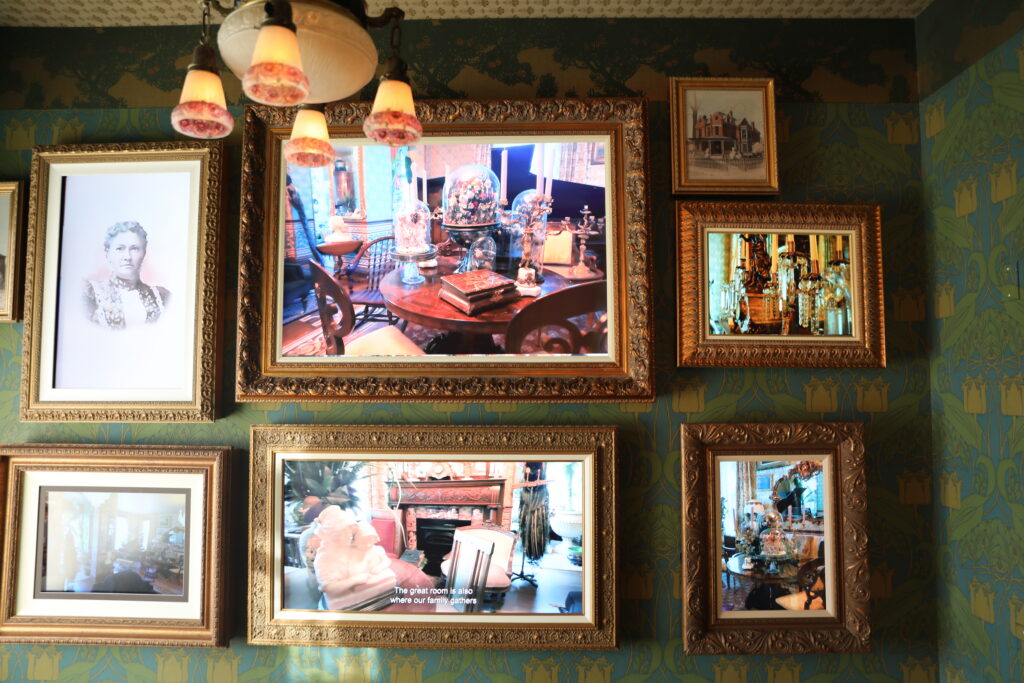
This concept was thoroughly discussed with both the PGAV and BPI teams. The media room offers guests a sweeping view of the upper floors of both the Zelleken and Schifferdecker homes. The room comes alive as six monitors reveal shifting imagery and artwork, woven together by a compelling narration. The room is easily accessed via a first-floor lift.
The monitors are cleverly camouflaged within framed artwork. To the unsuspecting guest, the room looks like any other period-appropriate space. Upon command, the blackout shade lowers, and the immersive show begins. Belk says, “I could not be happier with the result, knowing that our guests can enjoy the upper floors of both homes regardless of their physical ability.”
Research + Technology
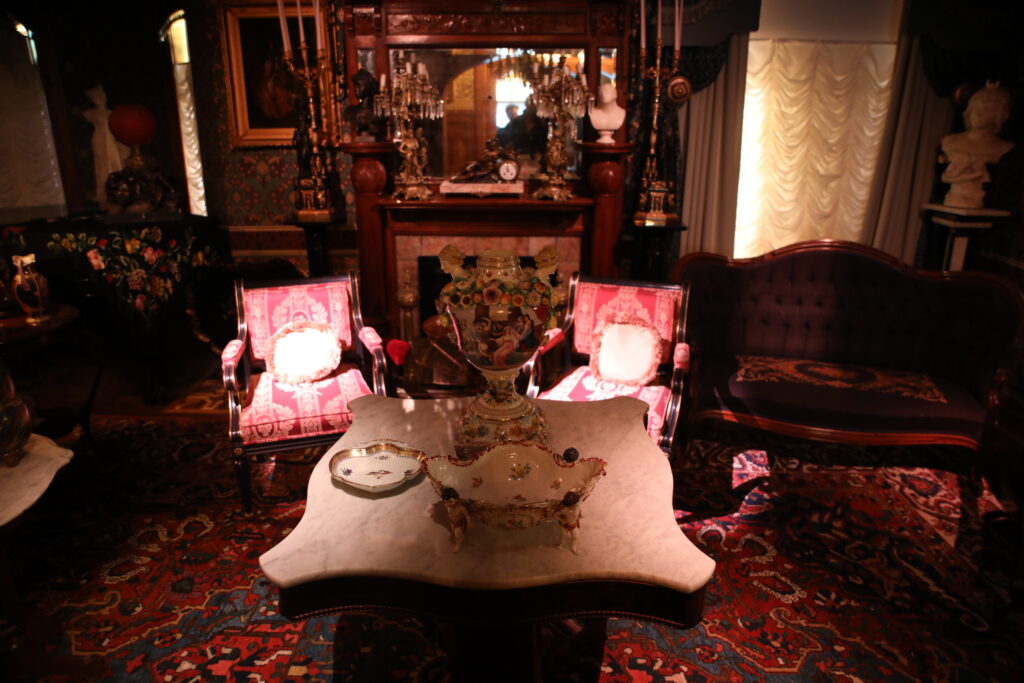
Throughout the experience, research-driven interpretive elements add depth and credibility. Archival imagery, personal stories, and portraits, including many provided by descendants, create a direct connection between past and present, grounding the narrative in real lives and lived experiences.
At key moments, the story expands into fully immersive media experiences. Through a blend of projection, theatrical lighting, point-source audio, and an original score, visitors are transported into pivotal moments in Joplin’s history. These scenes bring to life the tensions and aspirations of a rapidly evolving community, where questions of industry, responsibility, and social care shaped not only individual fortunes but the future of the city itself.
Delivering this level of immersion within historic structures required a careful balance of innovation and restraint. Every design decision responded to the realities of the buildings, from concealing modern systems within period-appropriate details to ensuring that materials, finishes, and spatial qualities remained true to the era. Close collaboration between designers, historians, and on-site teams ensured that preservation and storytelling worked hand in hand.
Research was foundational throughout the process. From period interiors and decorative arts to social customs and entertainment, each detail was selected for its accuracy and its ability to support the larger narrative and enrich the visitor experience.
Success
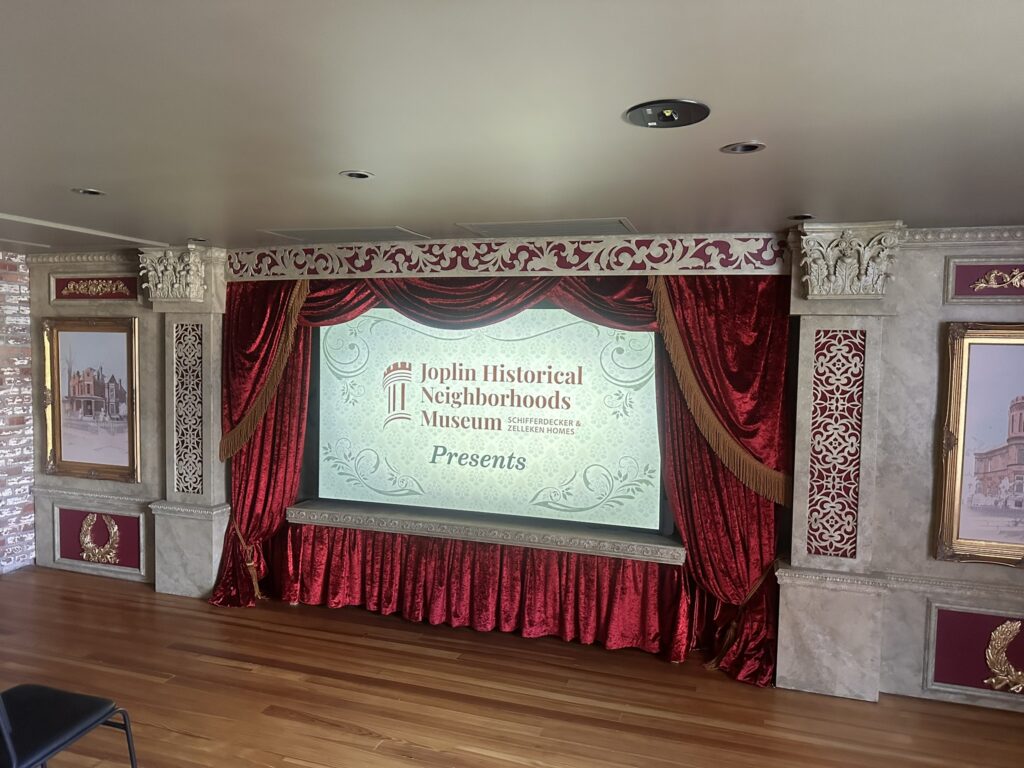
Belk says that the opening months of the Joplin Historical Neighborhoods Museum have been extremely successful. “Throughout the museum, guests expressed awe at the attention to detail in the restoration work, from the intricate woodwork and period wallpaper to the carefully chosen décor. Many were equally impressed by the depth and unique presentation of the history. They left with a deeper appreciation for Joplin’s early years and the stories they told,” he said.
Modern technology, when thoughtfully integrated into an authentic historic environment, can make a vast difference in how history is told and felt. While the restoration and storytelling of the Schifferdecker and Zelleken homes required extensive planning, close collaboration between historians and designers, and substantial resources, they offer compelling proof of what is possible when preservation and storytelling pursue the same goal.
“These homes move beyond static interpretation into something dynamic, personal, and memorable. By blending history, storytelling, and technology, the Schifferdecker and Zelleken homes demonstrate how thoughtful design can transform preservation into an experience that resonates with modern audiences,”Sandburg says.