
Authentic: Navigating the Word of the Year
December 13, 2023
Merriam-Webster recently revealed its Word of the Year: “Authentic.”
Interestingly, the word has multiple definitions, including “real” and “true to one’s own personality, spirit, or character.” Attractions might also note an additional definition: “conforming to an original so as to reproduce essential features.” In choosing the word, Merriam-Webster said authenticity is something “we’re thinking about, writing about, aspiring to, and judging more than ever.”
But what does it mean?
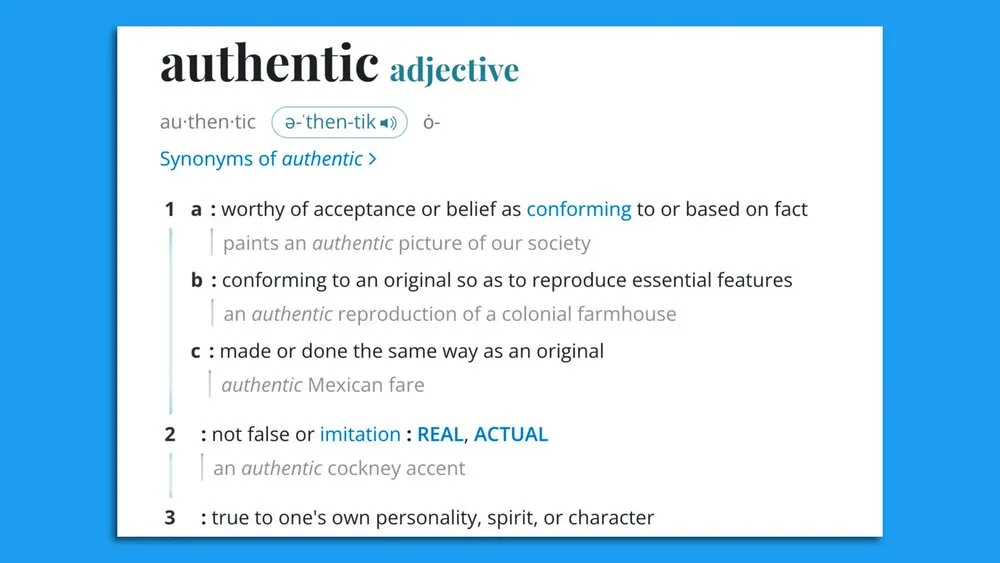
A dictionary definition can only go so far, and “authenticity” is open to interpretation. Are you focused on the physical characteristics of the attraction? The guest experience and storyline? And then there’s the personal side that can impact the perception of a brand’s authenticity: memories, previous experiences, and visitor expectations.
There are practical implications for attractions when designing for authenticity. Historical accuracy. Aesthetics. Climate. Visitor demands. Owner expectation. Budget. It even extends to native plants—what’s native to the represented region may not be native to the region of the attraction. Animal habitats can be created to mimic the natural environment but can never 100% replicate the natural world with predators and climate differences.
Is the key to focus on how the guest feels—creating a sense of wonder, driving a desire to learn more, and forming a connection?
Dave Cooperstein, PGAV Senior Designer, explains, “An authentic theme can mean very different things in different projects. An authentic theme related to an IP has wildly different implications than an authentic theme in a science museum. But, in most cases, an authentic theme is one that transports the guests to the world of that theme and allows guests to totally immerse themselves in the story, be it fictional, historical, or completely fantasy.”
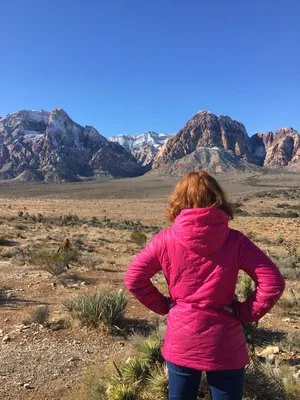

How do we create the most authenticity while considering the complications? Cooperstein says, “You need to balance the notion of ‘authenticity’ with the realities of ‘willing suspension of disbelief.’ Guests know when they are at a theme park that they are not really a fish swimming in the ocean. But, once they’ve suspended that disbelief, as a designer, you can do everything possible to make the experience of being a fish in the ocean as authentic as possible, from the storytelling to the look and feel of the theming to the types of experiences that you create to make that as believable as possible.”
As people seek more profound, meaningful connections, attractions are even more focused on aligning with this cultural shift. This involves connecting visitors to stories, education, and emotions. To create a sense of wonder. To make memories. Visitors seek narratives that feel true and relatable while allowing them to imagine and dream. Whether it’s learning about culture, understanding the plight of animals, or immersing themselves in IP, attractions that weave authentic stories can create a profound impact.
Got a topic you want to see on Destinology?
Email us at spot@pgav.com or start a conversation on LinkedIn.