
Curiosity and the Courage to Change
September 25, 2026
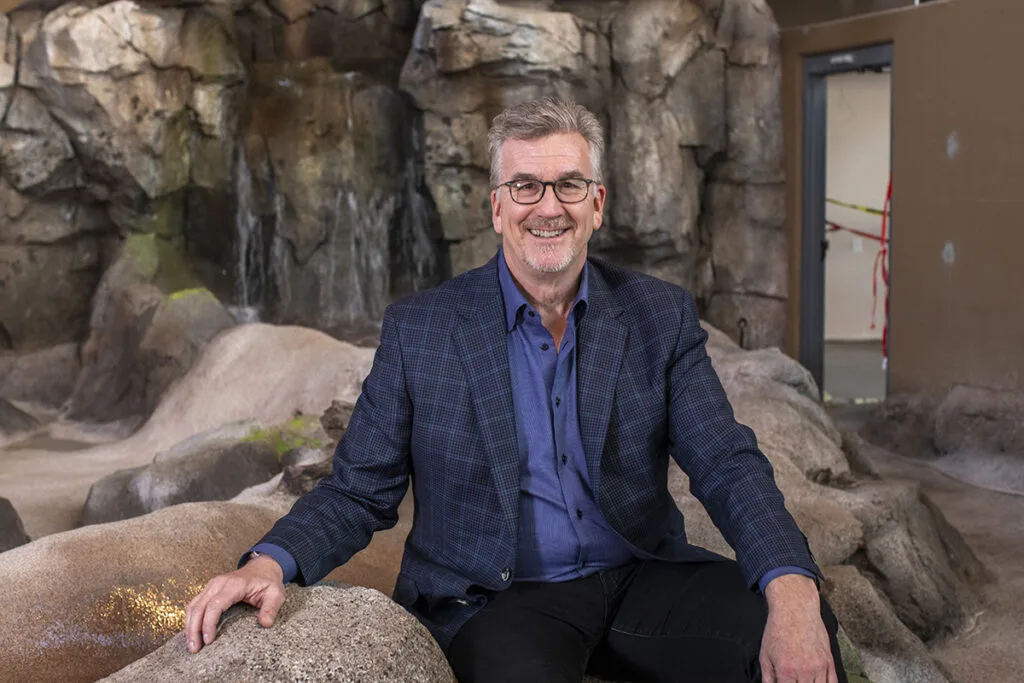

“Be curious, not judgmental.” While Ted Lasso popularized the phrase, it’s been a guiding principle for PGAV’s Mike Konzen throughout his career, from the origin of PGAV Destinations to uncovering ways to enhance the guest experience and fostering engagement among colleagues. Curiosity pushed him into fields outside his architectural education, including psychology, visitor research, branding, and financial planning.
“Curiosity helped me transition through every stage of my career,” Konzen says. If you’re curious about the world, that’s the best place to be. Because the world is full of things that you can’t possibly know, and you learn them as you go. Being curious makes you care about other people. It makes you try to understand them.”
And that drive to understand the world and the people in it helped PGAV Destinations design some of the best, most memorable attractions in the world.
A Career Defined by Curiosity
Konzen didn’t join PGAV intending to build his career in destinations. In fact, he saw it as a starting point and planned to move on once he was more established. At the time, PGAV’s work was centered on more traditional architecture; attractions work was more of a sideline than a foundation. His first project at PGAV was a high-rise tower in Chicago.
That changed when PGAV began working on Universal Studios Orlando.
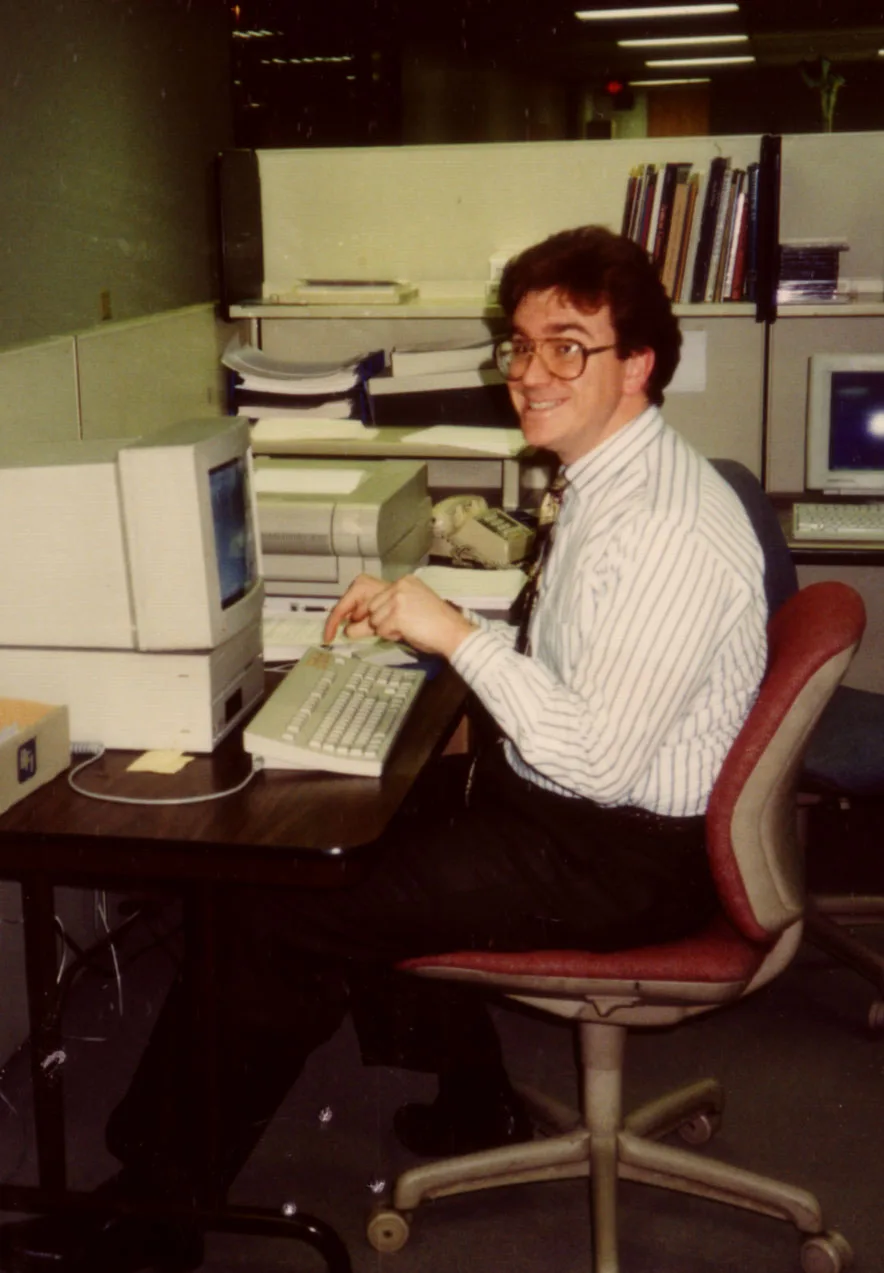
During a trip to Universal Studios in California, Konzen toured the studio backlot and encountered façades replicating streets of New York and San Francisco. “Frankly, I was confused. They looked like someone grabbed a bunch of scrap from the lumberyard and built these things,” he recalls.
“They were impressive on one level,” Konzen notes. “They were never intended to be more than just a set for a movie, and they were very convincing. But on another level, I just kept thinking it wasn’t really architecture.” After all, they were empty inside.
Norm Newberry, Executive Art Director and Design Director for Universal, helped him see the work differently. Newberry explained that an art director’s creative purpose was to tell a story, generate emotion and drama, and convey meaning.
The streetscape in Orlando needed to feel cinematic while also housing shops, restaurants, attractions, restrooms, and other guest services. Architecture, storytelling, and operations all had to work together.
“I came out of it much more appreciative of what it means to create a visitor experience, what it means to do storytelling as a part of what architects could do. It changed my expectations,” Konzen notes.
Choosing the Destination
By 1998, Konzen faced a strategic decision about PGAV’s future. PGAV’s board challenged Konzen and future co-owner Jim Moorkamp to consider how the practice could diversify.
A conventional approach might have been to pursue hospitals, airports, or branch banks. Instead, Konzen and Moorkamp leaned into the work that started with Busch Entertainment Corporation. They saw opportunities with museums, zoos, aquariums, and other theme park operators.
“We really loved this attraction stuff,” Konzen says. “We loved what it could do for people, and we loved the storytelling. We loved the creative challenge that comes from those projects and the opportunity to work with clients that shared that passion.”
It was an ambitious decision without an obvious roadmap. But that’s where PGAV Destinations began.
“We had no idea how we would do this, other than try to figure it out,” he says. “But we were in our mid-thirties and willing to bet on ourselves.”
Designing Moments
As PGAV Destinations grew, Konzen’s understanding of the work kept evolving.
“At some point, the lightbulb moment hit. The buildings, the venues, the sites aren’t really there to be buildings,” he says. “They’re a venue for emotions and for experiences. Attractions are the vehicle that gets people out of their comfort zone to become explorers of the world.”
When those places work especially well, they become part of people’s lives. They are places families connect, visitors discover something new, and experiences become memories. Designers can’t determine exactly how someone will feel, but they can create the conditions for insight, wonder, and connection.
Konzen points to Walt Disney’s genius for creating moments that spark genuine emotion. “There’s nothing more authentic than watching a family approach Cinderella Castle for the first time and seeing the kids practically vibrating with excitement,” he says. “That’s a real, unfiltered emotional response.”
For Konzen, those powerful emotional reactions are the goal. But the path to creating them begins much earlier. Konzen notes, “As a designer, curiosity drives us to dig deeper and uncover what makes a story resonate. Curiosity is both a mindset and a process. It’s about peeling back layers to uncover the narrative that creates an emotional connection and resonates with people.”
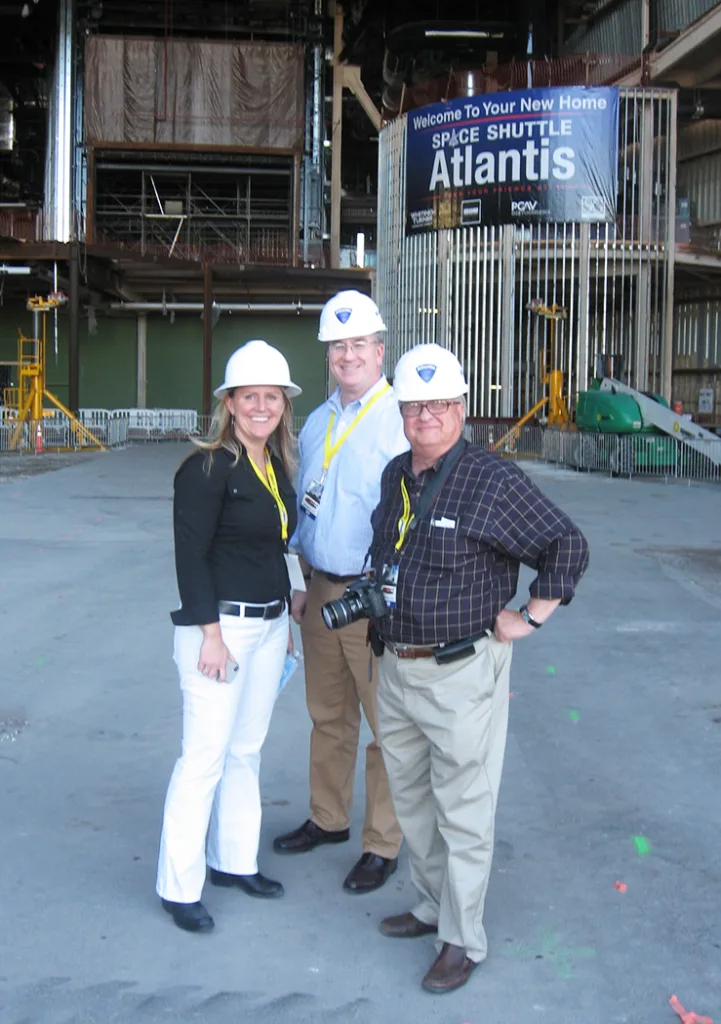
The reveal of Space Shuttle Atlantis at Kennedy Space Center embodies the transformative power of destination design. As the shuttle is unveiled, guests often respond with genuine emotion. Some cry. Others applaud. Many stand in awe.
“That’s a moment I’m especially proud of,” Konzen says. “Our team completely immersed themselves in the story and embraced every detail. The reveal required extraordinary thought and coordination. Designing moments that evoke that kind of emotional response is one of the most fulfilling parts of our work. It’s the highest expression of the art we practice.”
But Konzen realizes that not every meaningful moment can—or should— be scripted. “We design to create great experiences, considering efficiency, flow, and how people move from one moment to the next. That’s all important, and we’re good at it. But there’s also value in letting people find their own way. Sometimes it’s messy, awkward, or unexpected, but that’s part of the experience. It’s often in the unexpected moments that you discover the deepest meaning,” he says.
The lasting value of a family vacation is rarely limited to what everyone saw. “At the end of the day, what people take with them are the moments they shared. To me, there’s nothing more valuable than that. Life will always bring its challenges, but those golden moments with family and friends are irreplaceable.”
The Best Ideas Don’t Have to Be Yours
As Konzen’s understanding of design broadened, so did his understanding of leadership. “I realized over time my role was really to create the setting for people who, frankly, are far more talented than me to do the most amazing work possible. I am surrounded by people who are among the best in the world at what they do,” he says.
Konzen recalls a lesson from former PGAV colleague Jim Wible: “The best ideas don’t have to be yours.” They just have to be the best ideas.
“There’s something incredibly rewarding about hearing a great idea from someone else and knowing your role is to help bring it to life,” Konzen says. “You get to say, ‘I love that idea. Let’s figure out how to make it work.”
Konzen came to understand that his responsibility was not to originate every solution himself. Leadership became about fostering the conditions for creativity. Creating that setting required a steady flow of challenging projects, an environment conducive to collaboration, opportunities for personal and professional growth, competitive compensation and benefits, and the financial discipline to carry the company through strong and difficult periods.
It meant recognizing a remarkable idea when someone else introduced it, giving people room to develop it, and ensuring the organization had the stability and support necessary to bring it to life.
One experience during a particularly difficult period made that responsibility clear.
Connection as a Creative Force
In January 2013, Jim Moorkamp died. Moorkamp had been Konzen’s partner in developing the Destinations practice and had helped shape many of the ideas that guided the business. Moorkamp had also mentored and shaped many of today’s PGAV’s leaders.
The loss affected more than the firm’s leadership. It affected PGAV’s culture, confidence, and sense of the future.
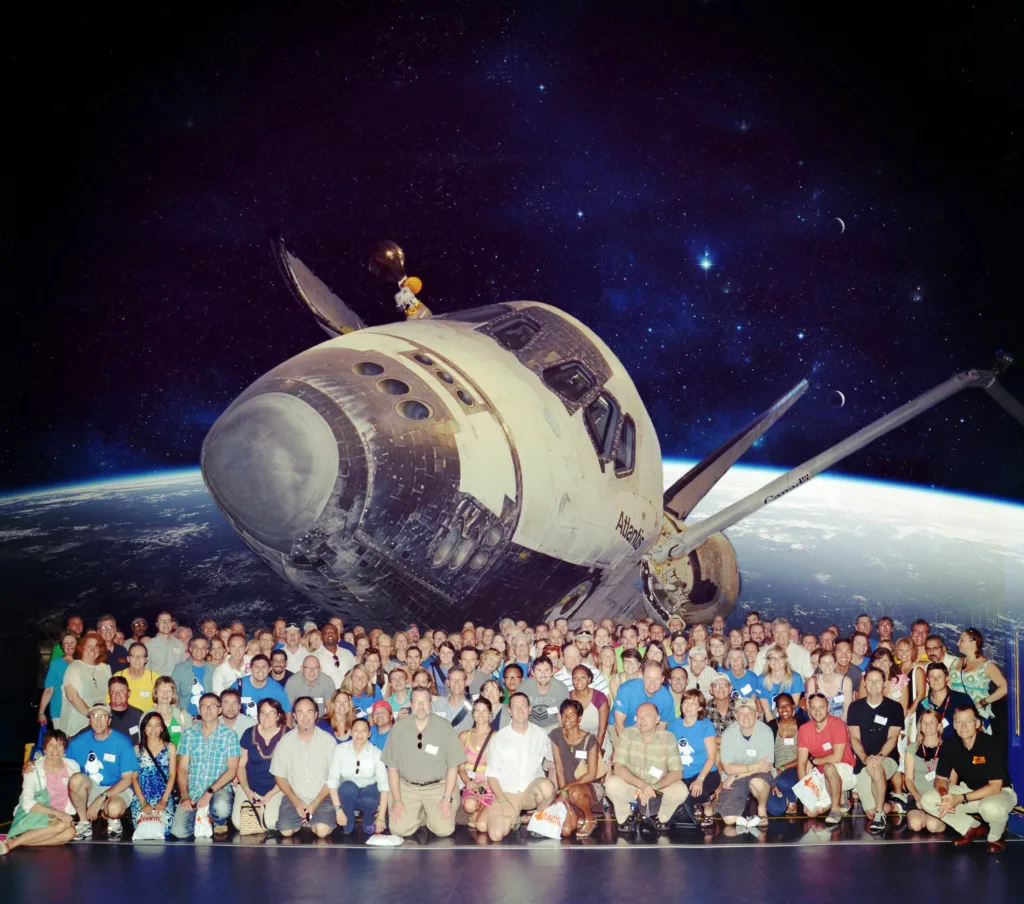
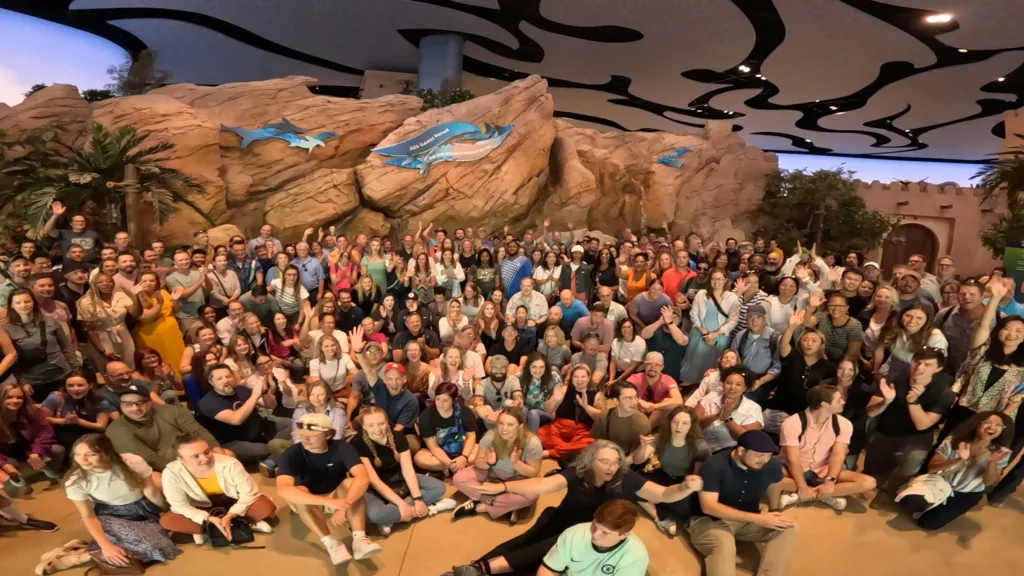
During that same period, PGAV was preparing to open two significant projects in Orlando: Antarctica: Empire of the Penguin and Space Shuttle Atlantis. Konzen wanted to create an experience that could help bring the team together, so PGAV arranged for employees from St. Louis and Kansas City to travel to Orlando and experience the projects collectively.
The trip was joyful, emotional, poignant, and exhausting. It gave the team a chance to see what it had achieved and experience it together.
On the trip home, the team found themselves sitting in the Orlando airport during a lengthy delay. As the group became bored, its members invented a game involving a small rubber ball. They created rules, debated them, resolved disagreements, changed the game, and kept playing.
Konzen watched the scene unfold.
“What do you do when you have 60 creative people sitting there getting bored?” he asks. “They started to make something up.”
The game itself was not important.
Here was a group responding to an ordinary delay with imagination, collaboration, humor, and affection. Watching them, Konzen recognized the extraordinary creative potential of the people around him.
“I was just sitting there thinking, ‘My God, what a group of people we have,’” he recalls. “They are just so immensely talented. They’re wonderful to be with, and they love each other. There’s real love. What do I do about this? What do I do now, in my spot, to help this?”
That question influenced much of what followed, including PGAV Go, investments in employee development, and the redesign of the St. Louis studio to create a stronger environment for collaboration.
“What matters most is what they can do when they’re together, committed to the work, loving each other, growing as humans, and having this kind of experience,” Konzen says. “What’s my role in that? It’s just to help it happen.”
Reflecting on the years since that airport epiphany, Konzen is deeply grateful for the commitment and passion of PGAV’s team. “Without question, it has been one of the greatest joys in my life to provide leadership for this amazing group of humans. They are the essence of our success.”
The Courage to Change
As Konzen heads into retirement and passes the reins to the next generation, he doesn’t expect them to preserve PGAV exactly as he led it.
He wants them to feel free to redirect the business, reconsider established practices, and discontinue things that may have worked in the past but no longer serve the company’s future.
“I want to come back in 10 years and not recognize this place,” he says, “because then I will know that they have not been fearful about that kind of disruption and change.”
The statement is not a rejection of PGAV’s history. It reflects his belief that an organization committed to the long term must adapt. The next generation grew within PGAV’s culture and contributed to its development, but its responsibility is not to replicate every decision that came before. It is to determine what the firm needs next.
A Legacy Built Through Other People
When Konzen reflects on his career, he does not identify one building, attraction, or singular creative achievement as the source of his greatest pride.
He thinks about the deliberate, difficult work required to build that practice over time. He thinks about opportunities to work with organizations such as Disney and the Smithsonian, and about the things PGAV’s people accomplished together that once seemed possible only in their imaginations.
Most of all, he thinks about the people who built their careers at PGAV and did work they may never have imagined doing when they left school.
“We built our success very purposefully and not always very easily,” he says. “But we stuck with it, and we accomplished things that we could only have imagined at the time.”
He describes the present as one moment within a longer continuum. One generation created opportunities for his. His generation developed another chapter of the firm. A new group is now positioned to take responsibility for what comes next.
Curiosity gave his career direction. It opened the door to new ways of thinking, deeper connections, and a practice built around experiences that matter to people.
Now, as a new generation charts PGAV’s course, his advice is not to preserve the path exactly as he traveled it.
It is to remain curious enough to discover a better one.
Mike Konzen will retire in October after a 40-year career at PGAV.
Date
September 25, 2026
Categories
Tags