
Designing from Two Points of View
June 23, 2026
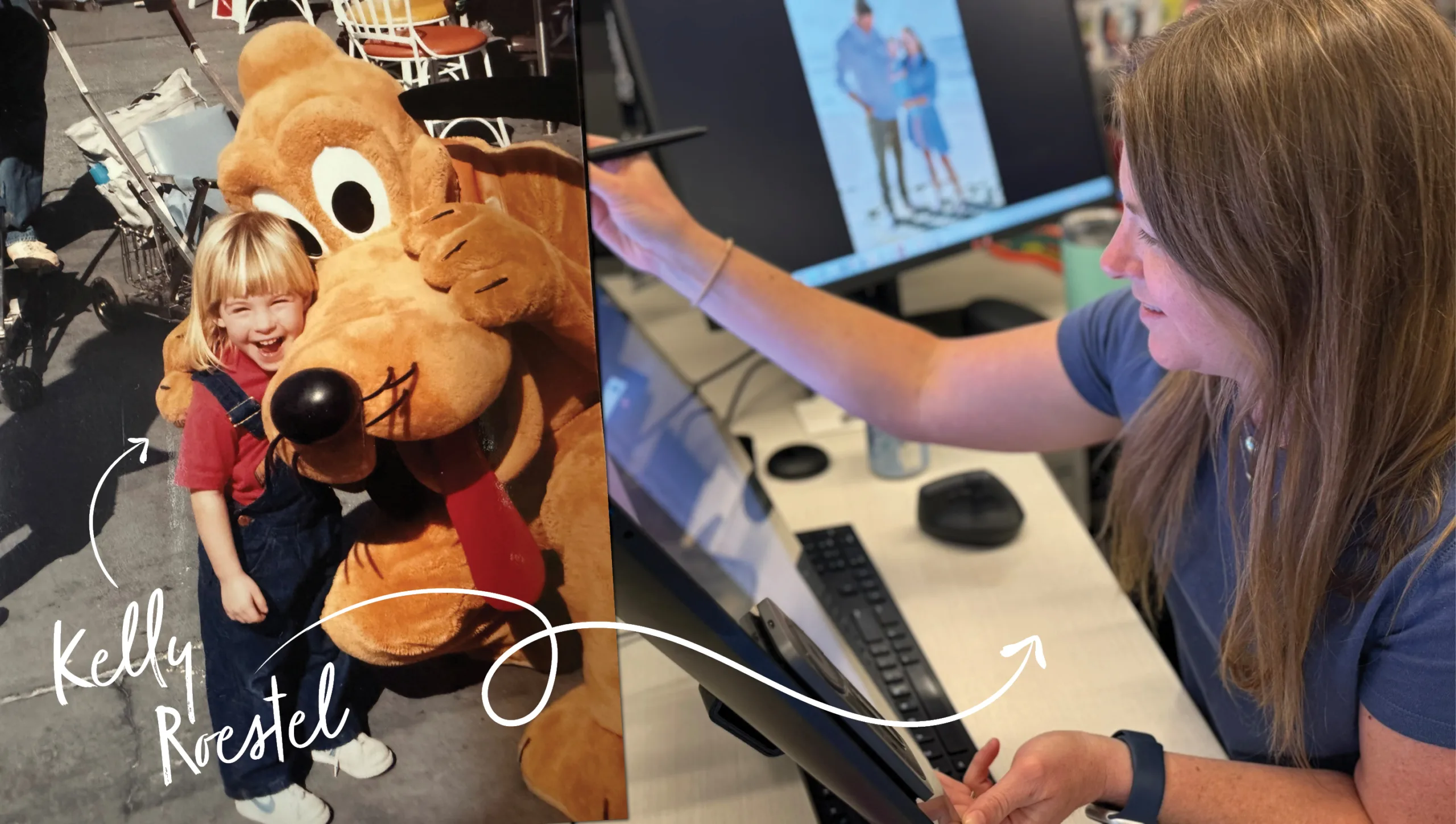
You could say Kelly Roestel grew up on a roller coaster.
As the daughter of a theme park engineer, she spent her childhood exploring parks across the country, from Busch Gardens Williamsburg and Cedar Point to Universal Studios and SeaWorld. Family vacations often revolved around visiting attractions, and by the time she was ten years old, she had ridden nearly every attraction she was tall enough to enjoy.
Those early visits gave Roestel an instinctive understanding of how guests experience a park. Today, as a designer at PGAV, she combines the perspective she gained as a child walking through park gates, waiting in queues, and anticipating her next ride with the technical knowledge of how attractions are created, allowing her to see every project through two very different lenses.
“The two points of view are extremely different,” she says. “But growing up as a guest gave me a perspective that still influences how I design today.”
The Lesson of the Big Bad Wolf
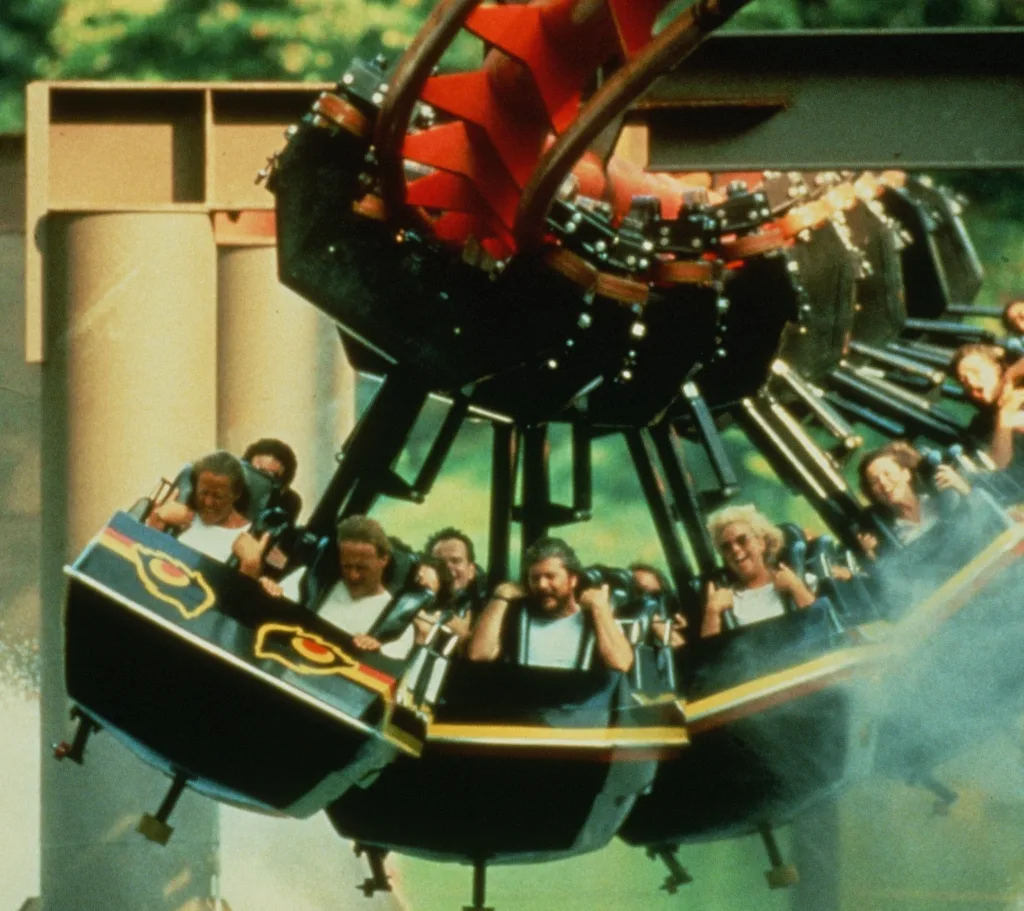
On a hot summer day, a ten-year-old Roestel sat on the pavement stuffing napkins into the heels of her shoes, hoping to gain the extra fraction of an inch she needed to ride Busch Gardens Williamsburg’s iconic Big Bad Wolf coaster.
Armed with her carefully rehearsed strategy, she approached the height stick and stretched as tall as she possibly could. The ride operator studied the measurement, looked down at her, and delivered the verdict.
“Not quite tall enough to ride.”
The disappointment was crushing.
“To ride the Big Bad Wolf was like a rite of passage,” she recalls.
Even before entering the queue, she could hear the wolf howling. She saw the glowing eyes on the attraction sign. Every element was designed to build curiosity, anticipation, and excitement. Looking back, Roestel realizes that the experience began long before boarding the coaster.
Today, those memories influence how she thinks about guest arrival experiences and queue design.
“The queue is where you begin telling the story,” she says. “It’s where you start building excitement.”
Sometimes that means revealing the attraction immediately. Other times, it means hiding key elements to create mystery and anticipation. Even decisions about how a queue is divided into spaces can influence how guests perceive wait times and progress through an experience.
“Breaking a queue into multiple spaces can make it feel shorter because guests feel like they’re progressing through a story instead of standing in one long switchback line. Every decision should help maintain energy and excitement,” Roestel explains.
Understanding What Guests Really Need
After all her time as a guest in a theme park, Roestel felt the next natural step was to apply for a job at Busch Gardens. Her first role was as a park entrance photographer—complete with a thick, bright pink cotton dress with ruffles, intricate buttons, and black sneakers. She also worked in a retail store and ultimately became a caricature artist.
She observed a lot of guest behavior throughout these experiences. Working directly with guests taught Roestel that many design decisions are ultimately about reducing stress and helping people navigate an unfamiliar environment.
One of those notes: People need time to transition.
“After parking, buying tickets, and entering a park, guests often need a moment to decompress before they’re ready to absorb information or experiences. If you overwhelm them immediately, they miss things. Transitional spaces, like a wide-open entry, help guests shift into the right mindset and prepare them to receive the experience,” Roestel says.
Those types of spaces are also valuable throughout the experience. It’s hot, the guests have walked a lot, and the kids start to melt down. Disney’s Hollywood Studios recently redesigned the Animation Courtyard to include grassy areas, benches, and shade for a welcome reprieve from the summer sun. Food, beverages, and retail can co-exist in these spaces while still giving guests a moment to decompress.
As an employee, the most asked questions Roestel received: “Where is the bathroom? How do I get to the purple ride (Apollo’s Chariot), and “What’s the fastest way?”
People miss signs, misunderstand directions, and get confused. That confusion can be amplified in environments where guests are excited, distracted, or unfamiliar with the space. Even well-designed places can feel unintuitive in the moment if information isn’t placed where people naturally look or need it most.
“Good wayfinding reduces cognitive load, helping guests stay present in the experience rather than having to stop to decode their surroundings. When it works well, guests rarely notice it at all. They feel like everything makes sense as they move through the space,” Roestel notes.
Creating a World Guests Can Feel
Designers often focus on what guests will see, but Roestel believes some of the most powerful memories come from what they hear and smell, and a strong story helps guide those decisions.
“Water Music Suite in G Major’ by George Frideric Handel brings me so much joy. It is the first song you hear upon your arrival at Banbury Cross, England, at Busch Gardens Williamsburg. Some of my strongest memories of parks are tied to sounds and smells,” Roestel says.
Music is often the first thing that welcomes you into a park or transports you into a new land. Smells can instantly bring back memories of funnel cakes, cotton candy, popcorn, or a favorite attraction.
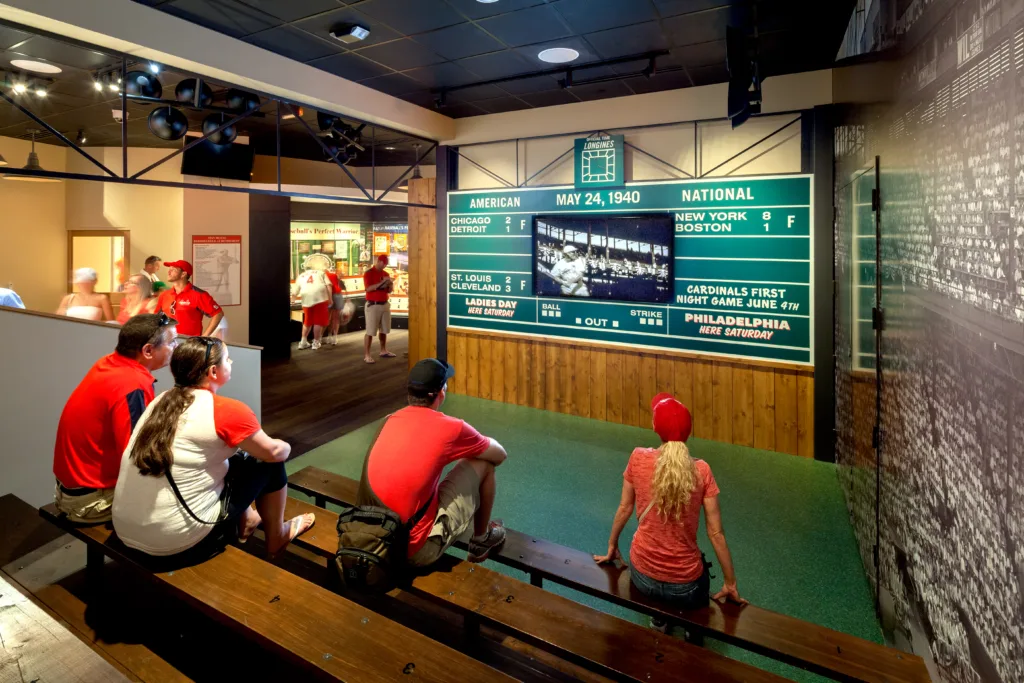
“One of my first projects at PGAV was for the Cardinals Hall of Fame, and I remember wanting to pump in the smell of hot dogs because it was such an essential part of the ballpark experience. Whenever we design a project, we’re thinking about what guests will see, hear, and smell. Those sensory layers help create emotional memories and make an environment feel complete,” Roestel explains.
All elements work together to support the same story.
Landscape, architecture, paving, lighting, music, graphics, furnishings, everything contributes. A space feels empty when those elements don’t connect or when important layers are missing.
For the Cardinals Hall of Fame, each gallery was designed to reflect the era it represented. The cases, music, finishes, and architectural details all worked together to transport guests to a specific period in baseball history.
“Even in highly stylized environments, things need to feel believable. If you’re creating a boardwalk inspired by Coney Island, the buildings should feel like they belong there. The carousel should feel like it naturally exists in that world. Immersive environments work when every piece reinforces the same story,” Roestel says.
Two Different Lenses
Roestel believes her childhood experiences made her a stronger designer because they taught her what guests actually notice and what they don’t.
She recognized the difference almost immediately upon joining PGAV.
On her first day, she sat in brainstorming sessions. She listened as designers discussed detailed attraction backstories, character motivations, and story worlds that stretched far beyond what guests would ever encounter.
“I remember thinking, ‘Guests are never going to know any of this,’” she says.
At first, she questioned why so much effort went into creating stories that visitors would never consciously recognize. Over time, she came to understand that those details weren’t necessarily for the guests. They were for the designers.
Story provides a framework for decision-making. It helps determine what belongs, what doesn’t, and which elements are essential to the experience.
Most guests experience an attraction much more simply. Consider Mako at SeaWorld Orlando, named after the fastest shark in the ocean.
“A guest on Mako might think, ‘I’m a shark. I’m going fast,’ and that story is enough for them to enjoy the coaster,” Roestel says.
Guests may only need the essentials, but designers may have developed twenty pages explaining what that shark is doing and what happened beforehand. Understanding that distinction helps designers focus on what matters. Not every detail survives value engineering or budget constraints, but some elements are worth protecting because they strengthen the guest experience, reinforce the attraction’s identity, or create memorable moments.
The challenge is identifying which details are critical and which ones exist primarily to support the design process.
“One thing I’ve learned over the years is that story always matters,” Roestel says. “Even on projects with tight budgets, story is what elevates an attraction from functional to memorable. It’s the magic that makes a ride feel special.”
Mako’s queue takes guests through Shark Wreck Reef, where they observe sharks and rays up close and engage with educational storytelling. Themed details such as wooden railings, shipwrecked structures, and coral-inspired rockwork immerse visitors in an underwater world. “Without those details, Mako is a great coaster but lacks the depth the story provides,” Roestel notes.
Still a Guest at Heart
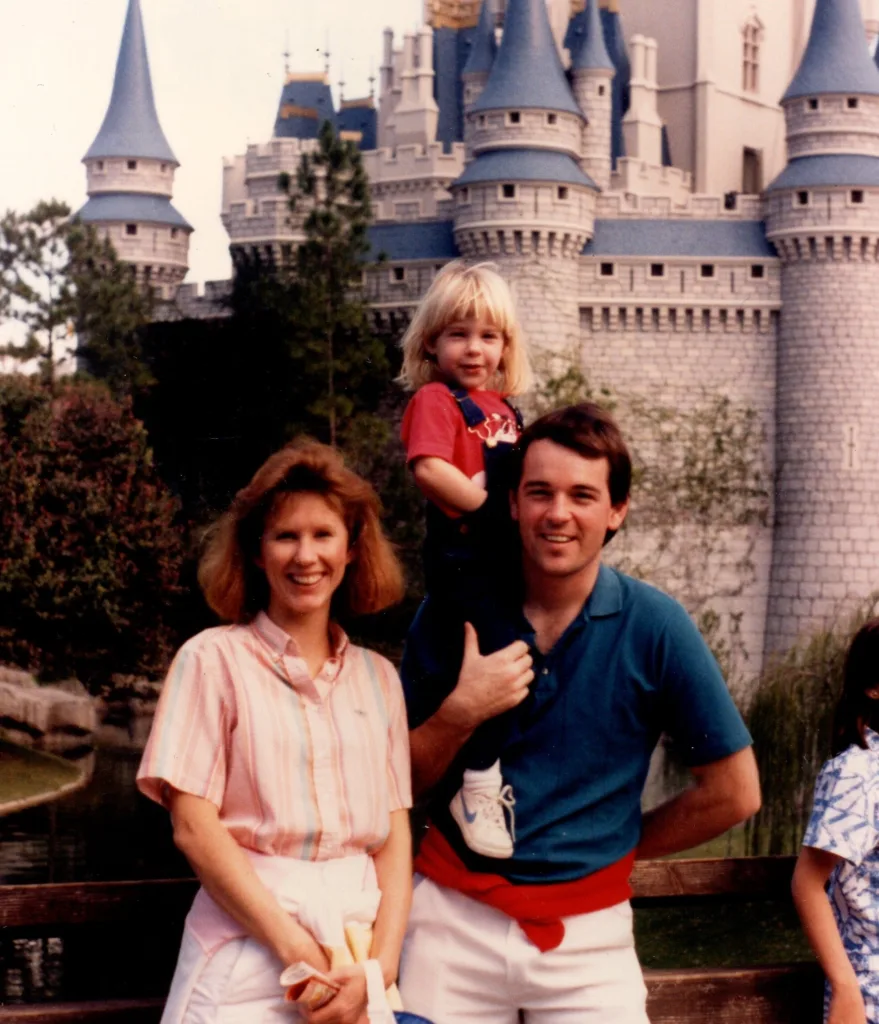
As a child, Roestel was fascinated by the parks she visited. Eventually, she realized that someone had designed every ride, queue, pathway, and story element she experienced. Someone had imagined those worlds, sketched them on paper, and brought them to life.
Today, she helps do exactly that.
Her childhood experiences as a guest, combined with years of observing visitors and designing attractions, have given her a unique perspective on what makes experiences memorable. She understands both the excitement of approaching a ride for the first time and the countless decisions that happen behind the scenes to make that moment possible.
“The most exciting moment is when an idea becomes a place,” Roestel says. “What started as sketches, conversations, and big ‘what if’ questions is suddenly something guests can walk through and experience. My four-year-old self, the kid running through theme parks, is still amazed that I get to help create those experiences.”