
Opening Doors: 2025 in Review
January 13, 2026
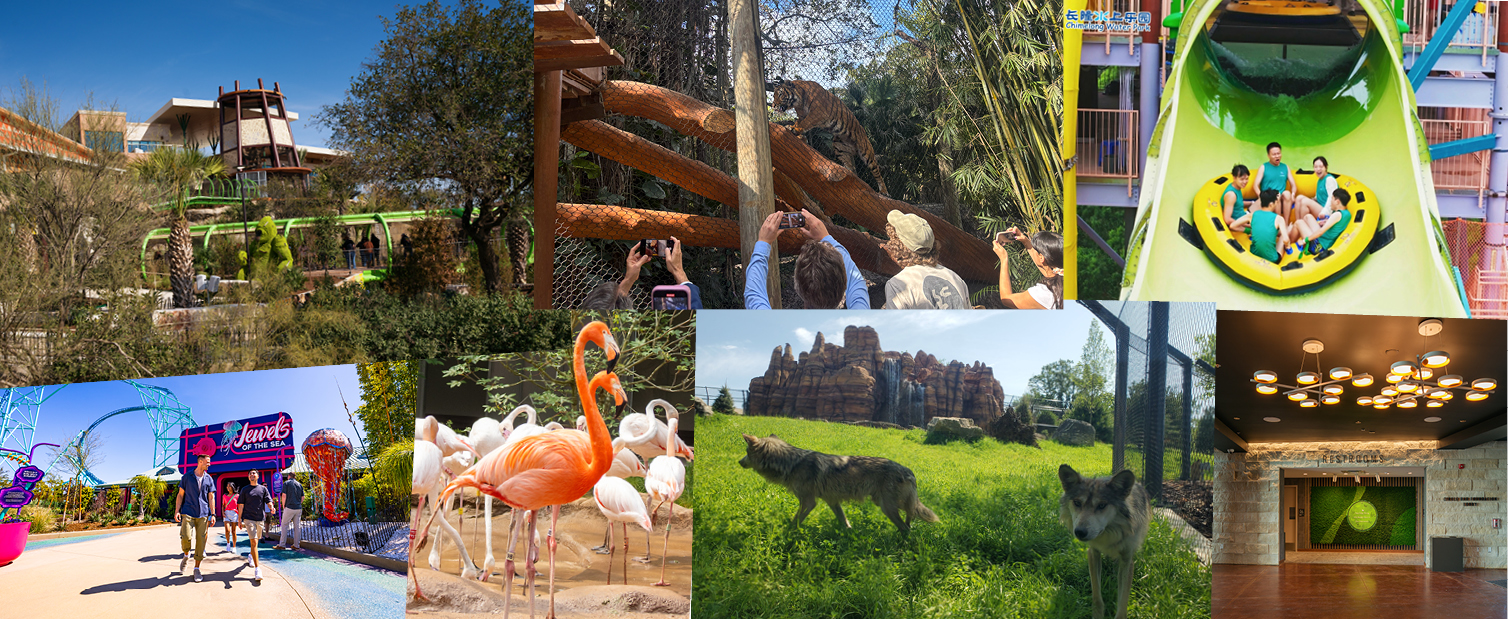
In 2025, PGAV saw projects open across the globe—each one the result of early planning, strategic thinking, and a long-term vision for meaningful, resilient destinations. Spanning immersive zoo and marine experiences, water-park innovations, and a bold aviation master plan, these openings reflect years of collaboration and future-driven design.
“As we celebrate what opened in 2025, we’re also reflecting on the questions that shaped each project from the start,” says Diane Lochner, PGAV Principal. “How does a destination evolve? Who does it serve? And how does it stay relevant over time? Those lessons continue to inform the projects we’re designing for the years ahead.”
SeaWorld San Diego | Jewels of the Sea
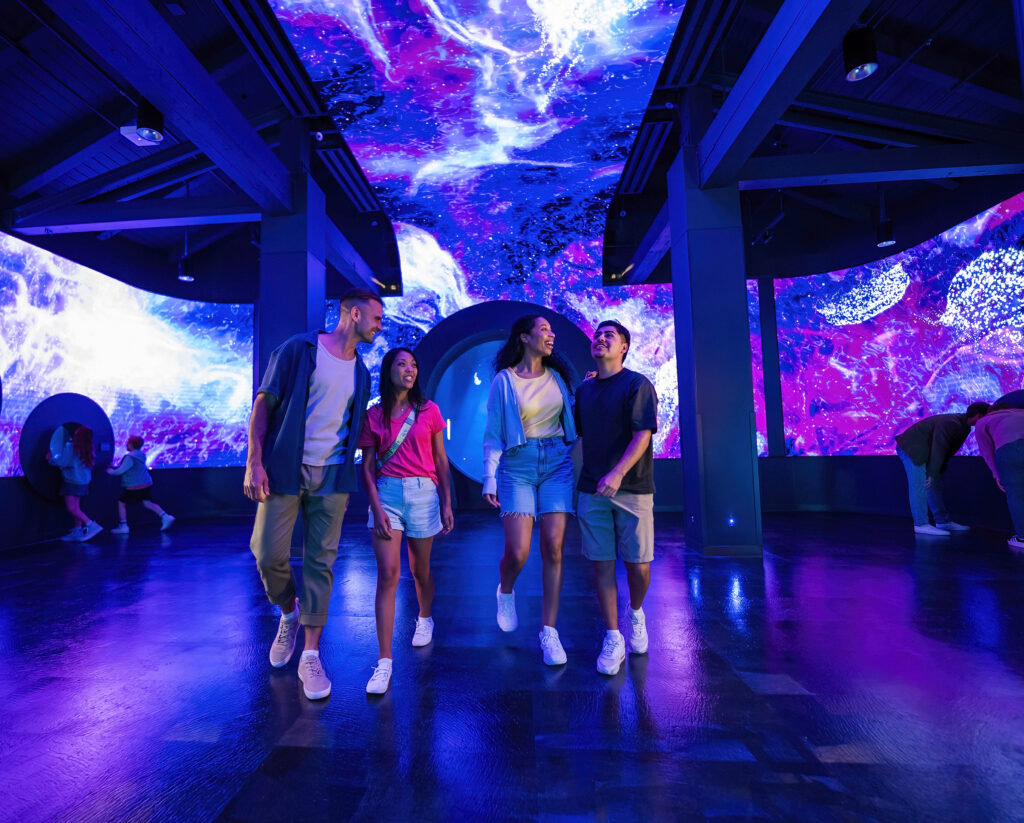
Jewels of the Sea is a visually mesmerizing experience with a carefully planned guest journey. Across three distinct galleries, guests move through a layered narrative that balances wonder, education, and crowd flow.
The planning approach focused on modular galleries, flexible exhibit systems, and a circulation strategy that allows adaptation over time while supporting SeaWorld’s broader marine conservation goals.
From the earliest planning stages, the project was guided by a single priority: the animals. “Every major decision centered on the jellyfish. How they move, where they live, and how they should be showcased. That focus shaped everything from environmental design to theming,” explained Jenna Endres, PGAV Lead Designer.
One of the project’s greatest challenges was the building itself. Originally constructed as stables and later adapted as a ride load and unload area, the structure was never intended to support large-scale aquatic life support systems or significant tank loads. “Structural discoveries required the team to adapt quickly, letting the building’s constraints guide design decisions rather than limit them. It became a lesson in working within existing conditions,” Endres says.
Research played a critical role in shaping the guest journey. Studies of jellyfish behavior informed the flow of the exhibit, beginning with species found near the surface in mangrove environments and gradually descending into deeper-ocean habitats. The concept, lighting, and spatial progression mirror this vertical journey, culminating in a final gallery that focuses on the “One Ocean” concept.
Throughout the process, the team navigated budgets and rising material costs, a challenge common to projects of all sizes. Strategic prioritization allowed the core experience—and its emotional impact—to remain intact.
Endres also says that collaboration was constant and essential. “Close coordination with keepers, operators, curators, and educators shaped decisions around access, maintenance, and material selection. While guest experience was always paramount, equal consideration was given to the day-to-day needs of animal care teams, resulting in a solution that works well behind the scenes.”
Some of the most meaningful outcomes are the ones guests may not consciously notice. In one gallery, carefully programmed lighting synchronizes tank illumination with surrounding LEDs. Endres says, “It’s a subtle detail, but it wouldn’t feel as cohesive and whimsical. It’s a reminder that thoughtful strategy often reveals itself through how the guest feels rather than a big spectacle.”
Palm Beach Zoo | Tiger Forest
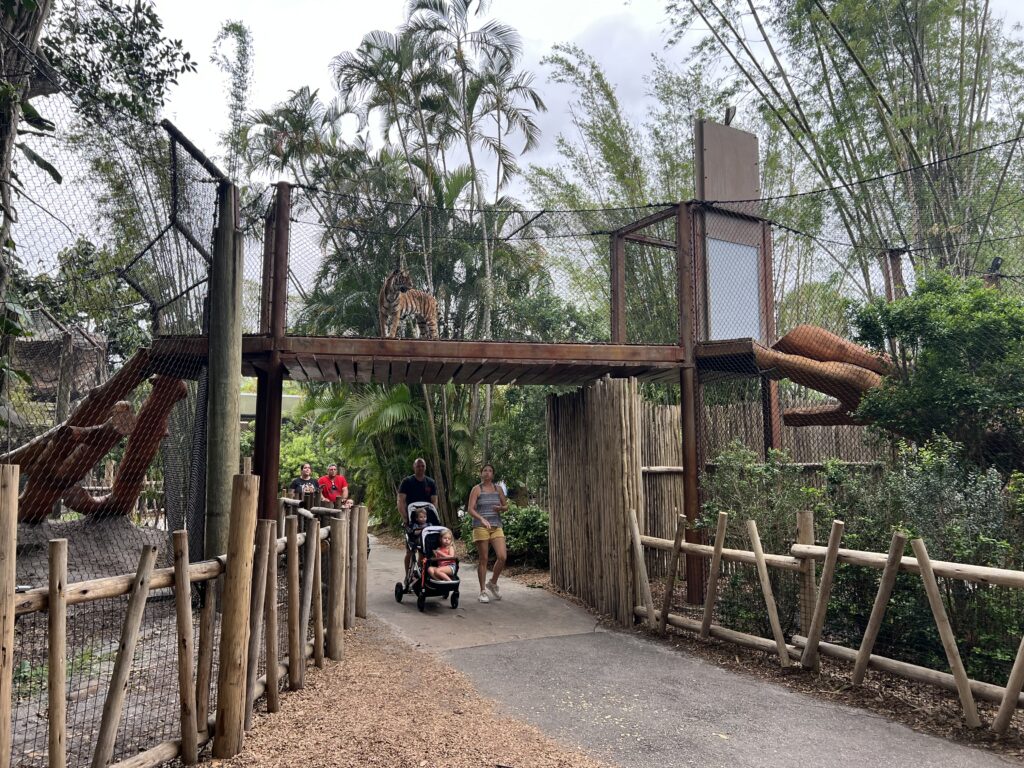
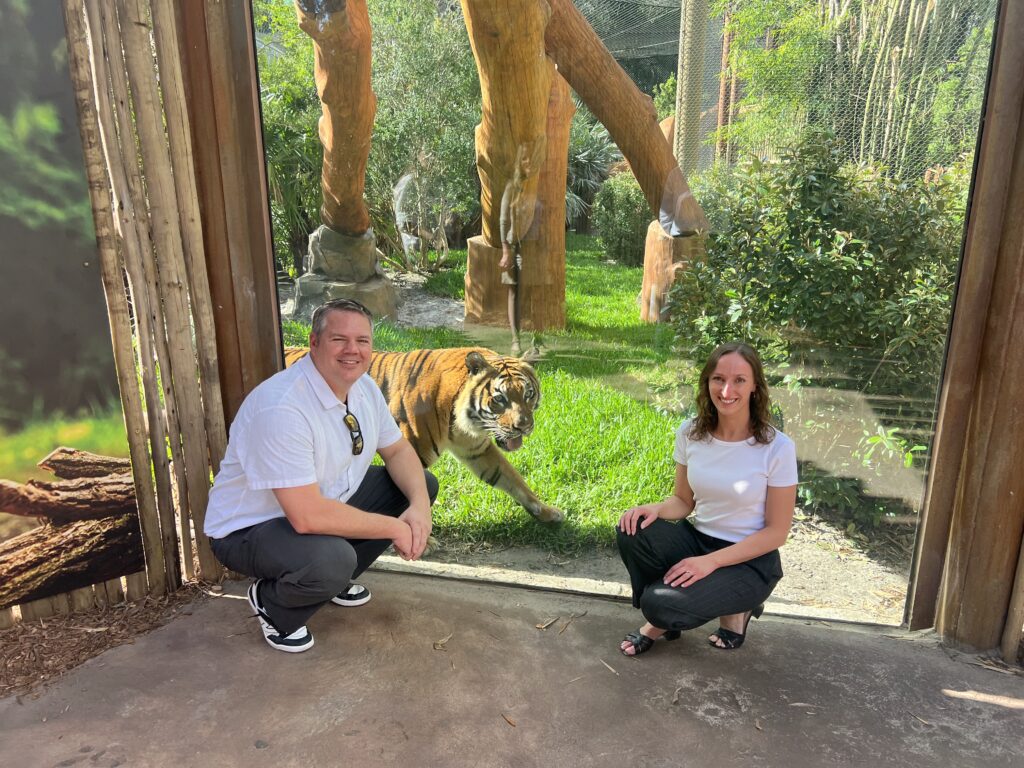
Elevated trails, glass viewing, and unforgettable “nose-to-nose” moments bring guests closer than ever to tigers. Tiger Forest balances powerful guest connections with animal choice, flexible retreat spaces, and protected habitats that prioritize wellbeing.
“One of the most critical decisions we made early on was that giving the tigers the ability to rotate between habitats was non-negotiable. That priority shaped everything else. That flexibility provides a more enriching experience for the tigers and also makes the space more functional for the keepers,” explains Amy Stubenfoll, PGAV Project Designer. “The challenge was figuring out how to create an incredibly close, emotional guest encounter without compromising animal welfare. We wanted that ‘nose-to-nose’ moment, but we didn’t want mesh or barriers that broke the experience. The moments where guests walk through and are so close completely changed how people connect with the animals.”
The habitat uses elevated trail systems that the tigers can explore. The ramps that lead to the chutes also provide a moment of connection with visitors. “Watching the tigers use the ramps and perch on the overhead chutes is incredibly rewarding. And seeing kids run up, screaming with excitement when a tiger appears overhead, melts away all the stress of the design process,” Stubenfoll says.
“Palm Beach Zoo has this great philosophy about creating the best possible encounters. They understand that those sentimental moments make people care. If guests leave feeling connected, that’s the first step. Sometimes the call to action is as simple as coming to the zoo, supporting conservation, and having that experience. And sometimes, that’s enough,” Stubenfoll explains.
Air Zoo | Strategic Vision & Master Plan

A bold flight plan for the future. PGAV’s comprehensive master plan establishes a long-range framework for the Air Zoo’s 50-acre campus—guiding phased growth, clarifying priorities, and aligning operational needs with guest experience.
With more than 100 rare aircraft and 100,000+ artifacts, the Smithsonian-affiliated museum is positioned to expand thoughtfully, ensuring new experiences enhance the collection while supporting circulation, visibility, and long-term sustainability.
Chimelong Guangzhou Water Park | Major Expansion
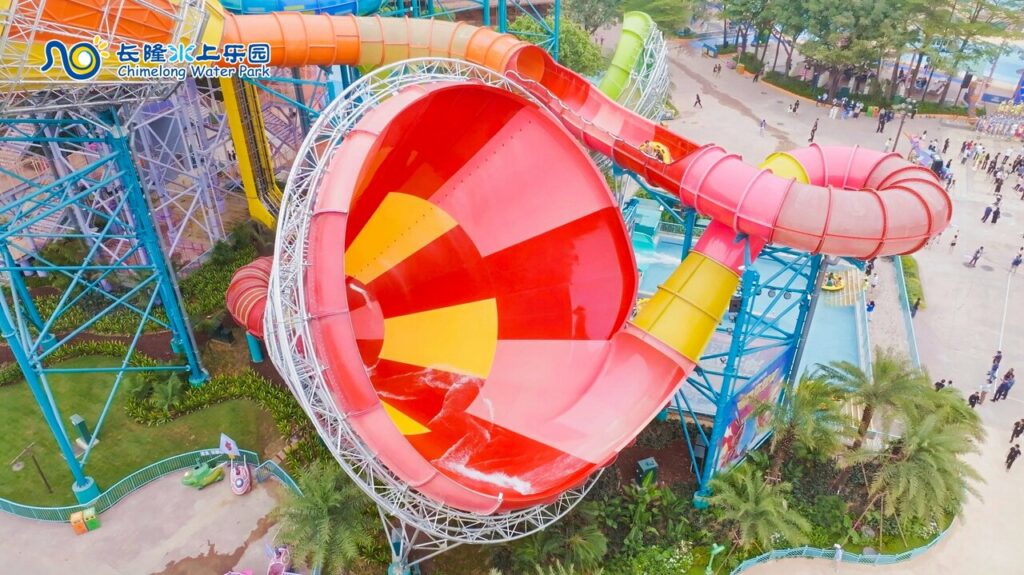
Chimelong’s largest expansion yet was driven by strategic planning at scale. Designed to reinforce the park’s position as a global leader, the expansion introduces two world-first attractions while significantly increasing capacity and operational efficiency.
Each ride placement, queue strategy, and support zone was planned to accommodate peak attendance today while leaving room for future growth tomorrow.
Philadelphia Zoo | Flamingo Cove
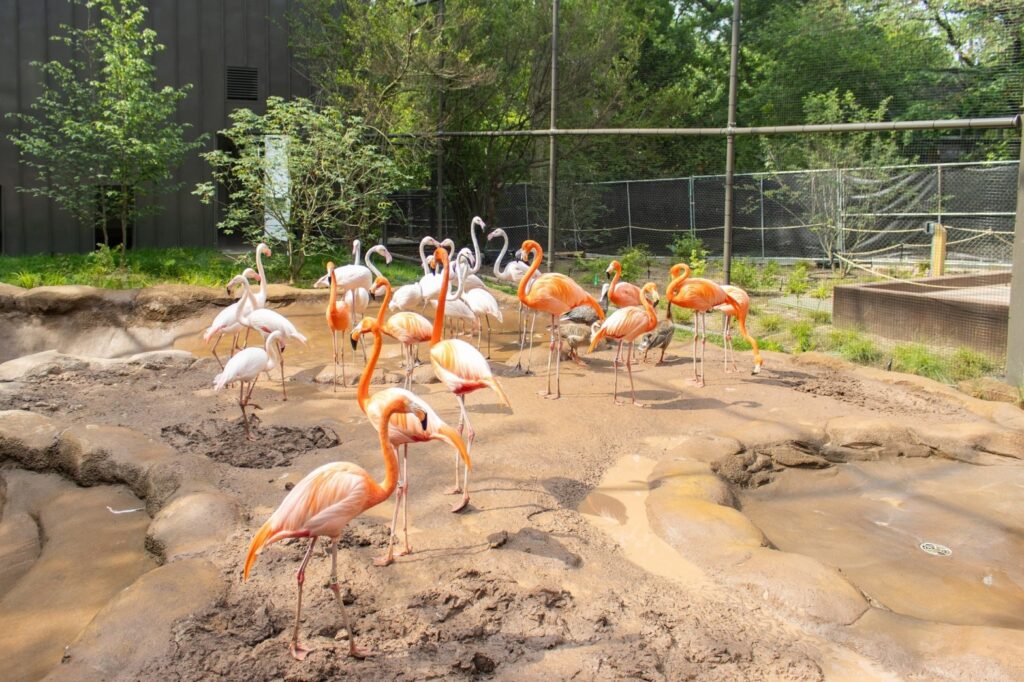
Flamingo Cove reflects a planning approach rooted in animal behavior and guest immersion. The expanded habitat supports natural social dynamics for Caribbean and African greater flamingos while guiding visitors through a lush, shared wetland environment.
The walkthrough experience was carefully choreographed to feel effortless, encouraging longer dwell times while reinforcing the importance of wetland conservation.
Columbus Zoo | North America Trek
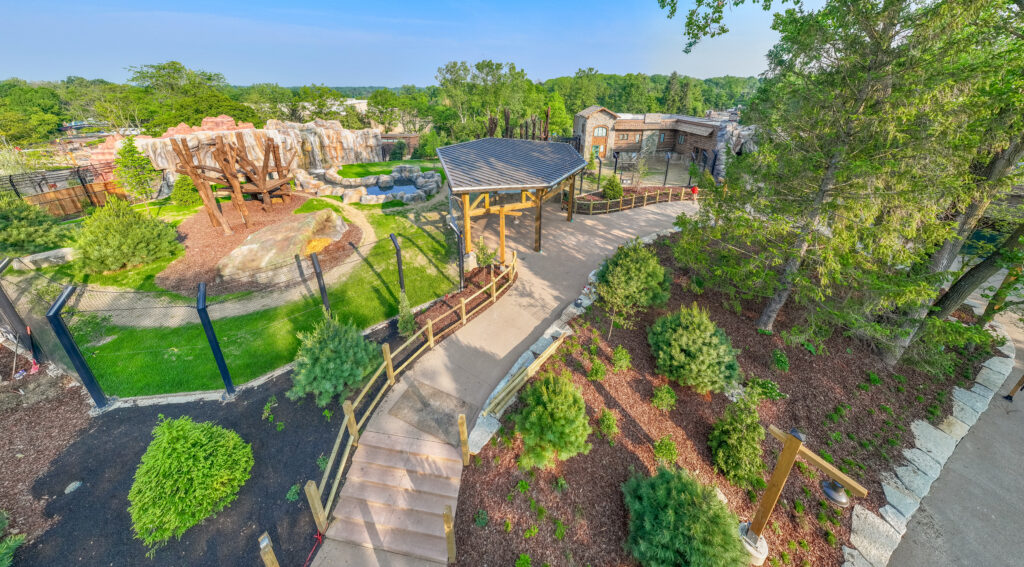
North America Trek represents the Columbus Zoo’s most ambitious expansion in decades—and a deeply strategic one. Spanning eight acres, the project reconnects guests with the diversity of North American landscapes through a unified planning framework inspired by Smoky Mountain forests, western canyons, and northern wetlands.
The plan integrates rescued wildlife habitats, conservation education, and sustainability-driven design—from reused materials and rescued trees to accessible paths and green roofs—ensuring it serves both environmental and operational goals.
San Antonio Zoo | The Ralston Event Center
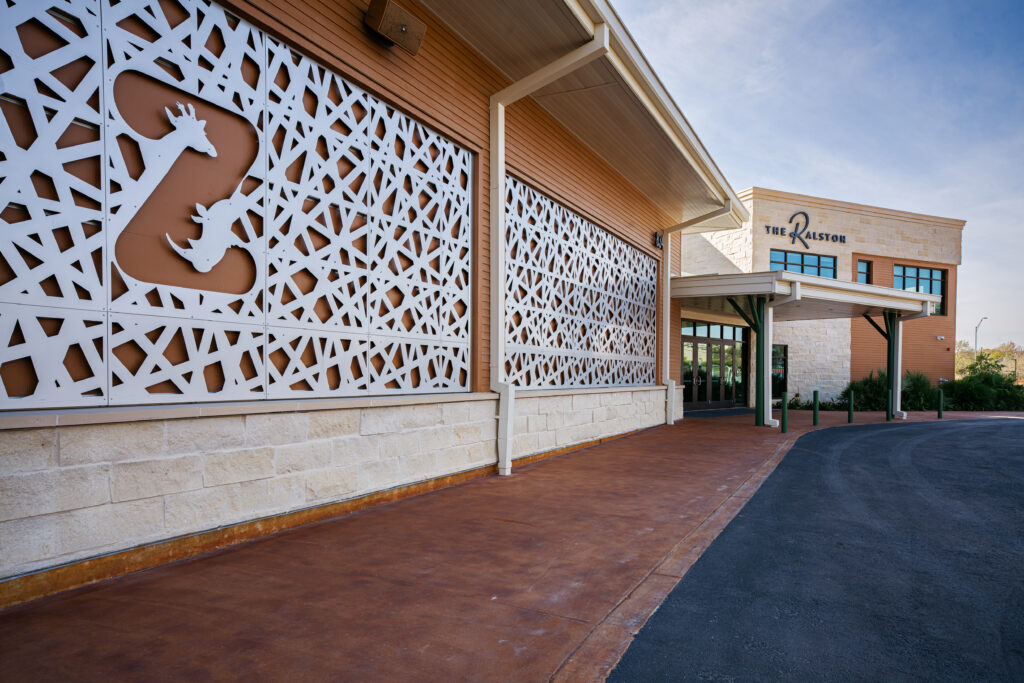
The Ralston Event Center was strategically planned to expand the Zoo’s reach beyond daytime visitation. Overlooking the new Congo Falls habitat, the venue creates a powerful overlap between events, skyline views, and conservation storytelling.
By integrating event infrastructure directly into the guest and animal experience, the Zoo gains a flexible revenue source that reinforces—rather than competes with—its mission.
San Antonio Zoo | Congo Falls
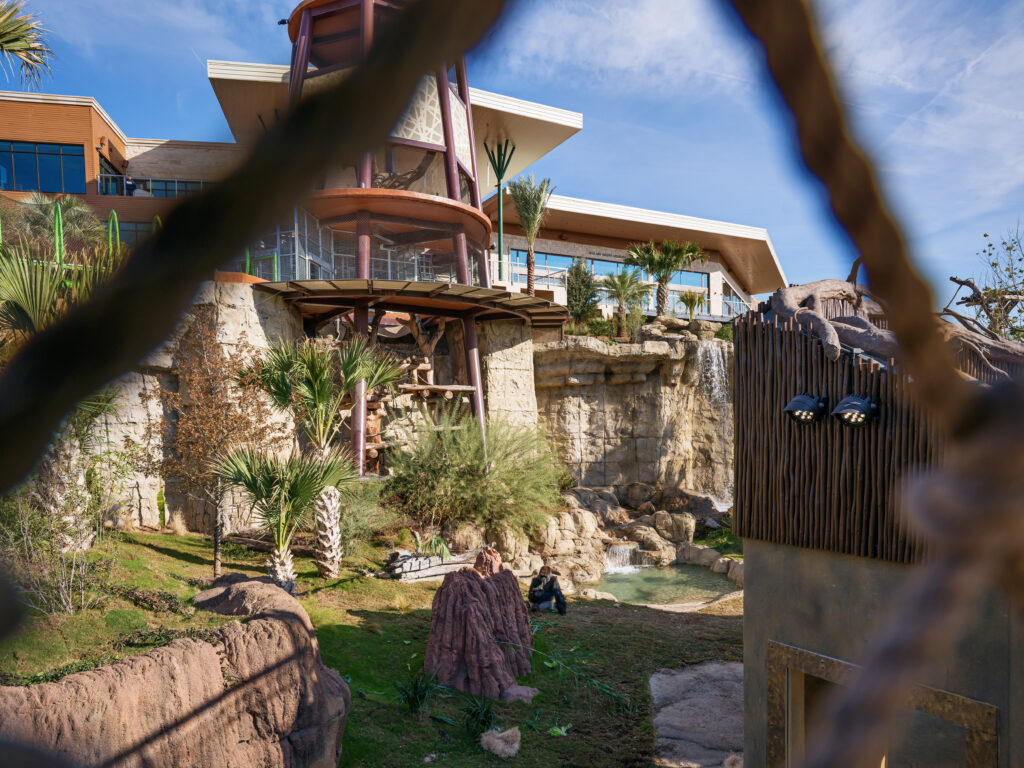
Congo Falls is a next-generation habitat shaped by long-term thinking. Designed for eight western lowland gorillas, the two-acre environment prioritizes animal agency through dynamic terrain, vertical exploration, and enrichment-driven planning.
Multiple viewing perspectives and flexible spaces allow the habitat to adapt over time—supporting evolving care practices, new research insights, and future storytelling opportunities.
Headfirst Into 2026!
Together, these projects reflect PGAV’s commitment to balancing bold ideas with careful strategy, and immediate impact with long-term vision. As we look toward 2026, the lessons embedded in these 2025 openings continue to guide how we help our partners plan for what’s next.
Date
January 13, 2026
Categories
Tags