
PGAV’s Voice of the Visitor International: Revenue
May 26, 2026

After the Gate: Where Attractions Actually Make Money
For decades, the attraction industry has focused on what happens at the gate: increasing attendance, optimizing ticket pricing, and moving more guests through the experience. But the real opportunity begins after entry. Food, beverage, and retail are key monetization drivers with attractions.
Recent data from PGAV’s survey makes that clear.
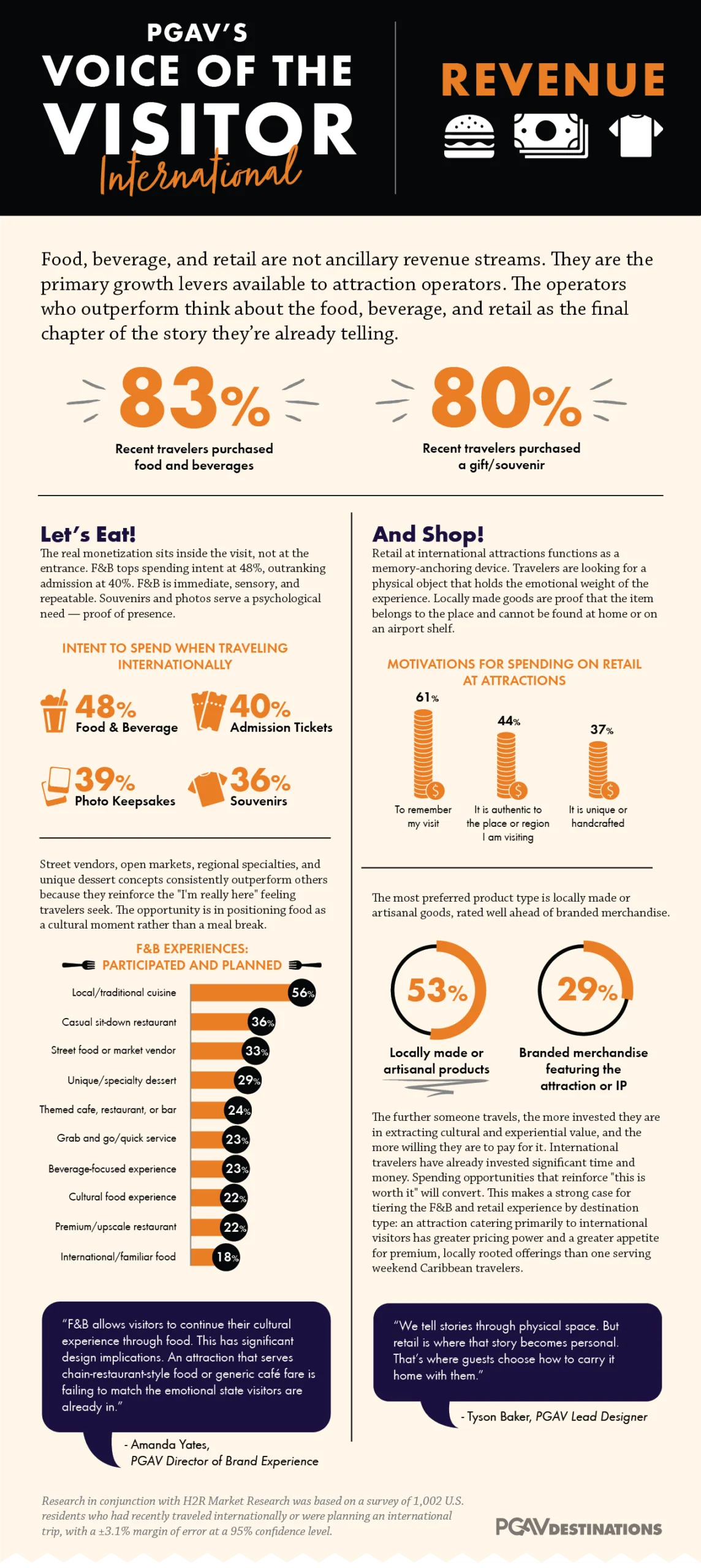
83% of visitors purchase food and beverage
80% purchase a souvenir
Guests pay admission once, but food, beverage (F&B), and retail are continuously available throughout the experience. That frequency, combined with emotional engagement, is what makes that type of spending so powerful. And they work best when they’re designed as part of the experience itself.
F&B is tied to physical needs (everyone needs to eat!), but visitors now also link it to the overall experience. A meal, snack, or drink is part of how visitors process where they are. Amanda Yates, Director of Brand Experience, says, “Engaging all five senses is what completes a destination. Taste and smell can make an experience stick and turn an ordinary mealtime into an integral part of the guest experience.”
Cultural Connection
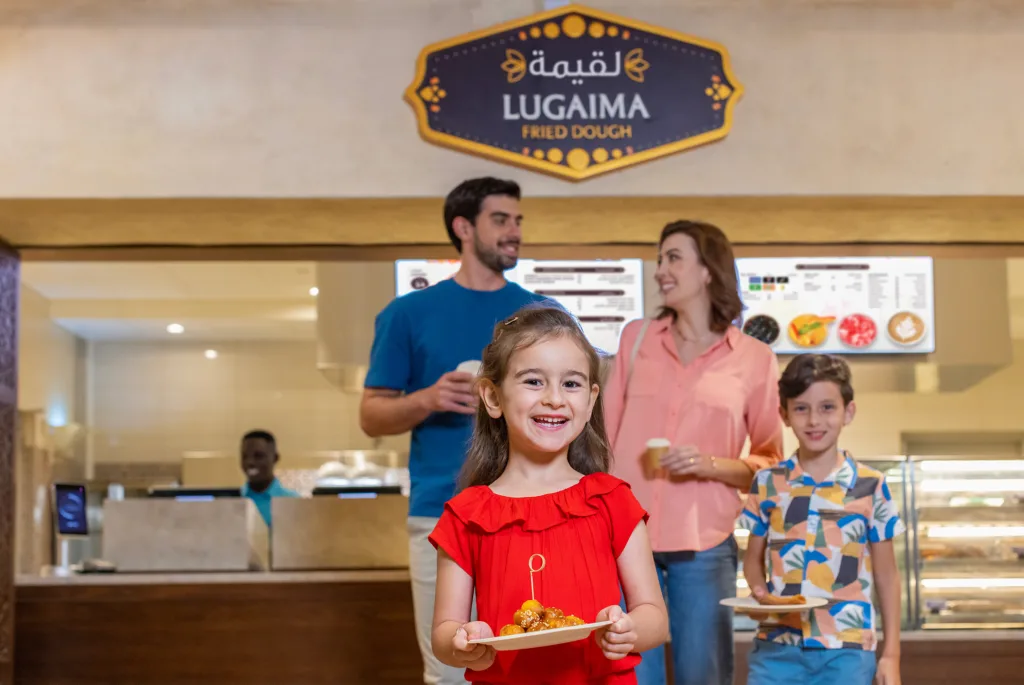
Among F&B types, local and traditional cuisine leads at 56% participation, followed by casual sit-down (36%), street food and market vendors (33%), and unique desserts or specialty sweets (29%). Grab-and-go and familiar international food trail behind. This shows visitors want to feel like they’re really there, and food is one of the fastest paths to that feeling.
“F&B allows visitors to continue their cultural experience through food. This has significant design implications. An attraction that serves chain-restaurant-style food or generic café fare is failing to match the emotional state visitors are already in. Guests are looking for something that feels local and authentic, but still comfortable and approachable. It’s that balance between discovery and familiarity,” explains Yates.
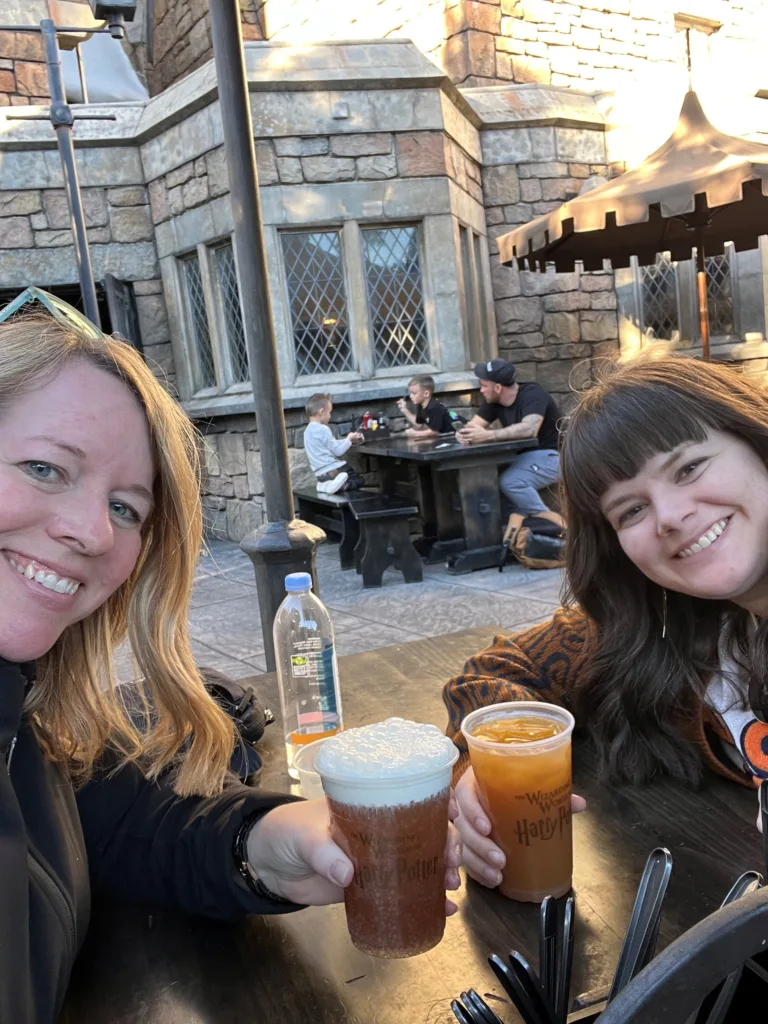
At Universal Orlando Resort, Butterbeer is a rite of passage. While based on a fictional beverage from the Harry Potter books, it feels like an authentic piece of the Harry Potter universe and has evolved from a mere drink into a must-have experience tied directly to story and setting. Available in multiple forms (frozen, cold, hot, ice cream, waffles, and more). In just a few short years, more than 20 million units were sold, generating well over $100 million in revenue from a single product line. Other attractions are following suit. At Star Wars: Galaxy’s Edge, beverages and dining environments are fully embedded in story. Across the industry, themed bars, immersive dining, and specialty food concepts are becoming central to how stories are told and monetized.
Retail as Memory Architecture
If food validates the present moment, retail preserves it.
Souvenirs serve a psychological function: they anchor memory. They are physical proof that the experience happened.
But not all retail performs equally. Travelers in PGAV’s study showed a clear preference for locally made or artisanal goods over mass-produced merchandise. Authenticity signals that the object belongs to the place and cannot be replicated elsewhere.
The further someone travels, the more invested they are in extracting value from the experience. Having already committed significant time and expense, visitors are more willing to spend on items that reinforce the feeling that the trip was worth it. The “mental accounting” effect explains why this works: travelers mentally separate vacation spending from everyday budgeting, which allows them to justify purchases they’d reject at home. Unexpected finds and items with backstory amplify willingness to spend in ways that generic retail simply can’t replicate.
The “gift shop at the exit” model is giving way to something more integrated and intentional. Tyson Baker, Lead Designer at PGAV, says, “Retail should feel like it’s woven into the experience so naturally that it doesn’t feel like you’re being funneled into a store.”
From Theory to Practice
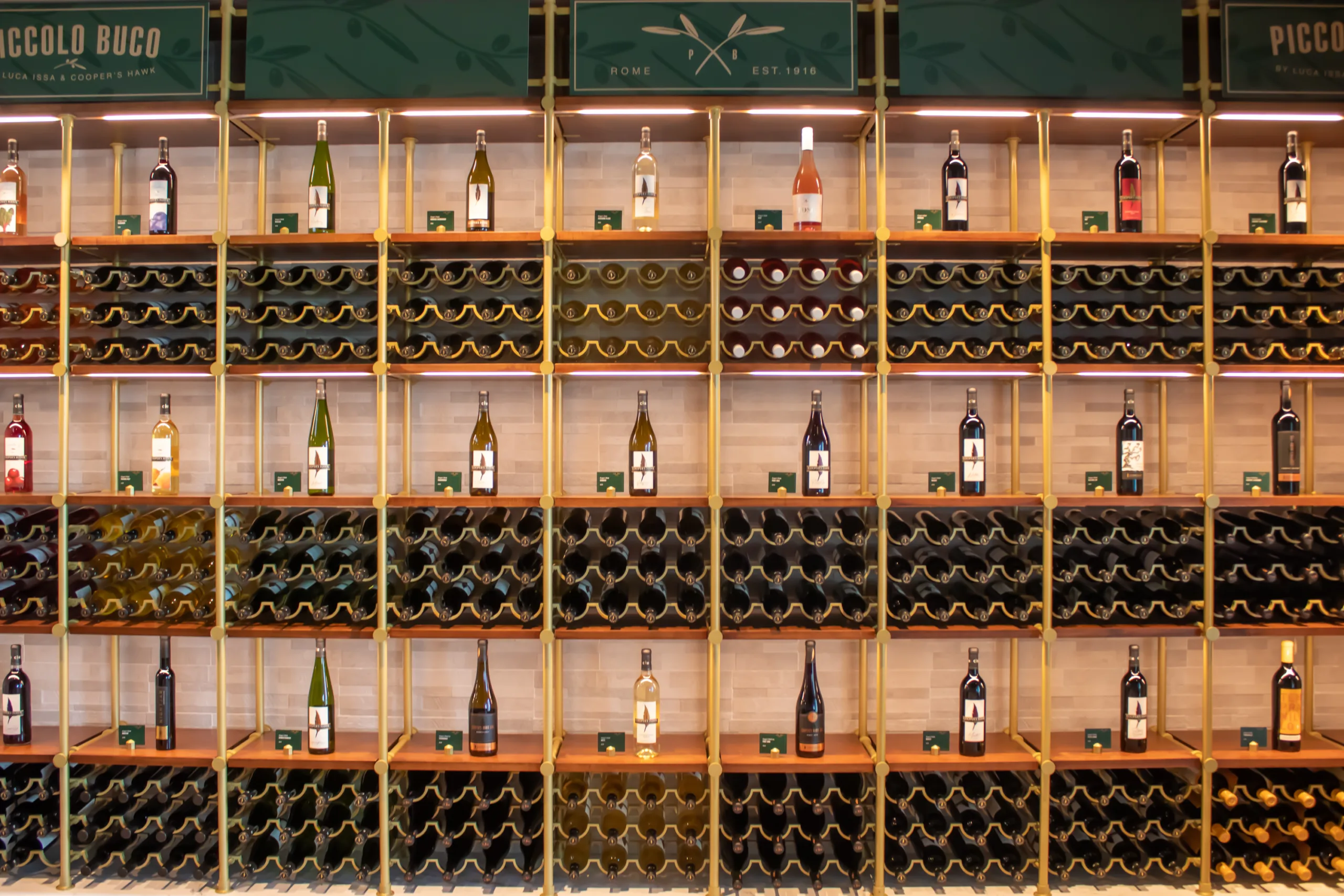
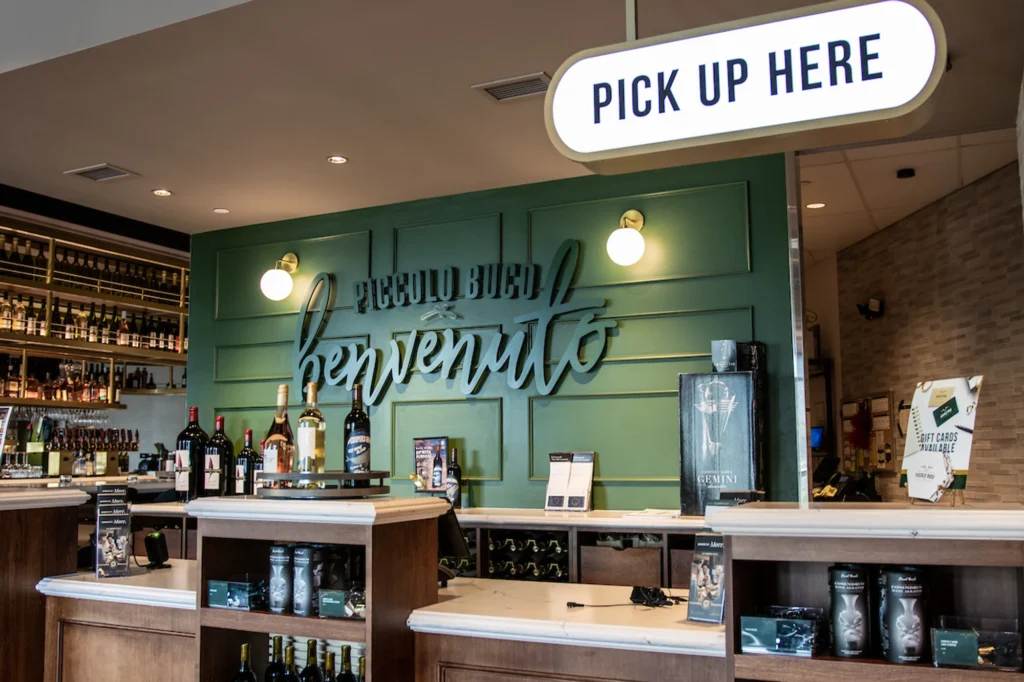
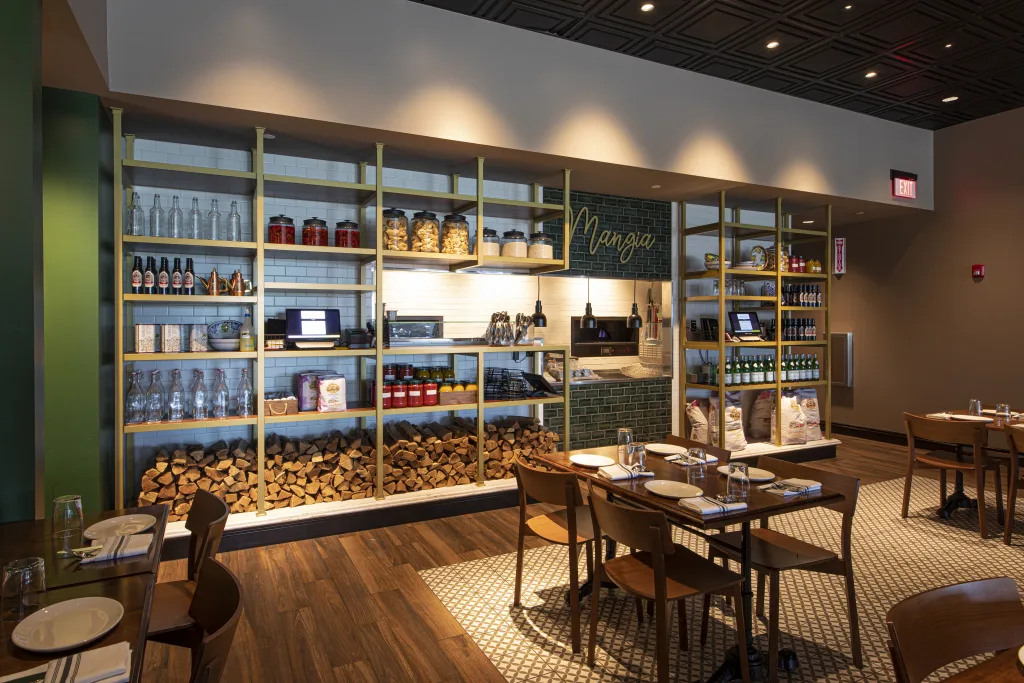
Piccolo Buco offers an example of how these principles translate into a physical environment. Promising a taste of Rome’s best pizza, Piccolo Buco in Oak Brook, Illinois, extends its story beyond the table with a curated retail experience that lets guests take a piece of Rome home. Rooted in the authenticity of the original restaurant near the Trevi Fountain, every element, from cuisine to merchandise, works together to translate Chef Luca Issa’s vision into a cohesive, place-based experience.
“We tell stories through physical space,” says Baker. “But retail is where that story becomes personal. That’s where guests choose how to carry it home with them.”
Rather than overwhelming guests, the retail is deliberately restrained. It’s simple, functional, and highly curated. Displays favor abundance over variety, presenting singular products in quantity to create visual impact and clarity. A feature wine wall anchors the experience, showcasing individual bottles like jewels, with accessible inventory below.
The merchandise itself becomes an extension of the narrative. Custom coasters and matchboxes echo the tone of the space, while collectible magnets mirror the behavior of travel abroad. Signature items—olive oils and the iconic pizza scissors used tableside—create a direct link between the experience and the object, turning memory into something tangible.
“Each piece of the whole story contributes to the final impression,” Baker said. “Retail isn’t an add-on. It’s the final chapter. It’s how the experience lingers.”
In this way, Piccolo Buco’s retail completes the brand, transforming a memorable meal into a lasting, tangible connection to place, story, and craft.
“Piccolo Buco and experiences like it demonstrate a model where food and retail are designed as extensions of story, not afterthoughts. Designing these moments as a chapter of the guest experience will unlock both deeper engagement and stronger financial performance,” explains Yates.
Date
May 26, 2026
Categories