
Thrilling Design
February 17, 2026
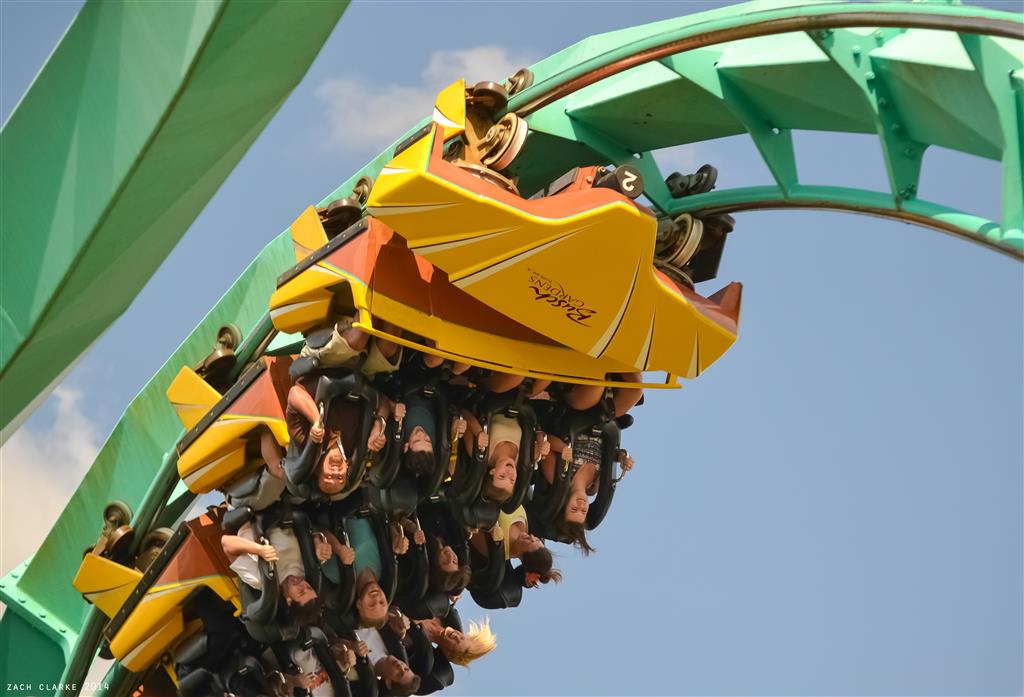
When most people think about roller coaster design, they think about height. Speed. Records. But according to PGAV architects John Wieser and David Garey, those metrics only scratch the surface.
“From a design philosophy standpoint, what guests may not always appreciate or realize is the pacing and layout as it relates to the theme or placemaking of the park itself,” Wieser explains. “We think about it from the perspective of the rider as well as someone observing the ride. We consider how it appears in the park, how marketable it is, and the experience it offers.”
Garey agrees. “For a coaster to become more than just a thrill ride, we think beyond the topline height and speed. We consider the sequence of elements, how they flow, and how those elements are laid out to support the story and the feeling being conveyed.”
That sequencing is intentional. “Thinking through the story, we apply many layers from the speed of the ride, how quickly transitions happen, or whether there’s a pause,” Wieser says. “We deliberately curate the experience to support the broader design intent.”
The type of coaster selected also plays into storytelling. “Guests have expectations for different types of coasters,” Garey notes. “A flying coaster evokes certain emotions and expectations. Launch coasters signal one thing; a dive coaster signals something else. An inverted coaster under the track might suggest a more intense ride.”
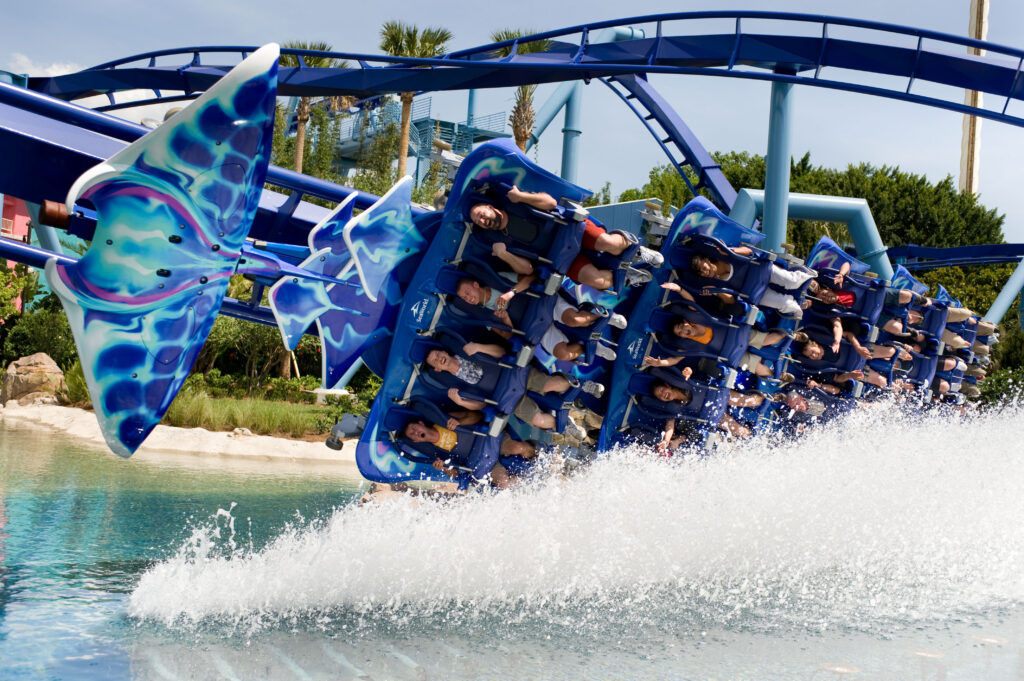
Wieser adds that the selection of the ride model often becomes the foundation of the narrative itself. “If you want to evoke the movement of a manta ray and emotionally and physically connect guests to that idea, a flying coaster naturally reinforces the concept. With SeaWorld Orlando’s Manta, the rider’s position mirrors that of a manta ray, with graceful turns and fluid motion.”
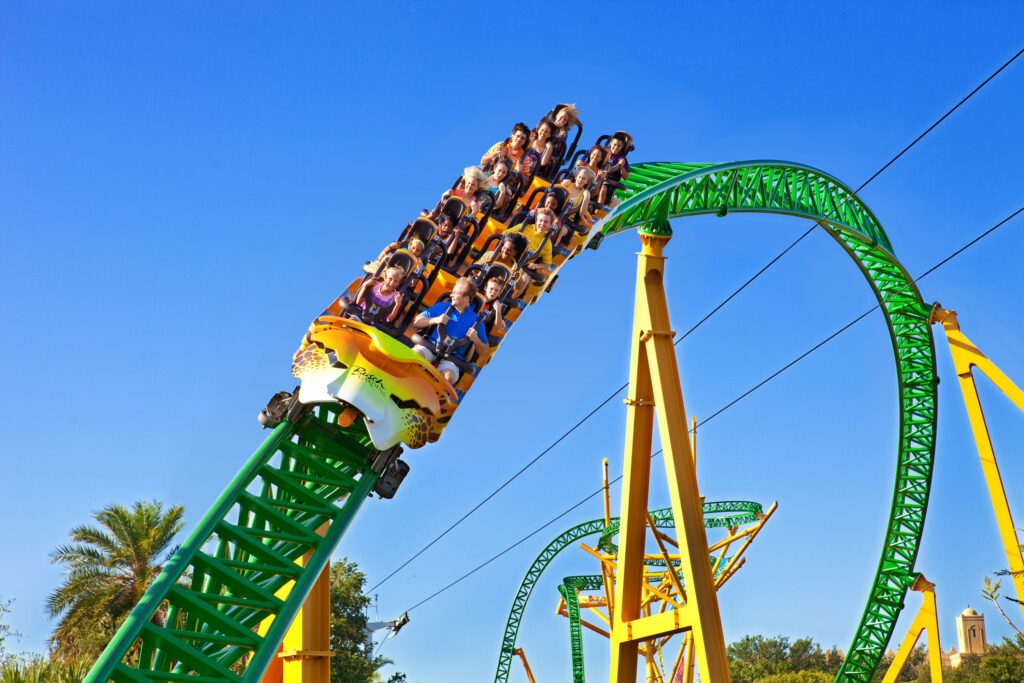
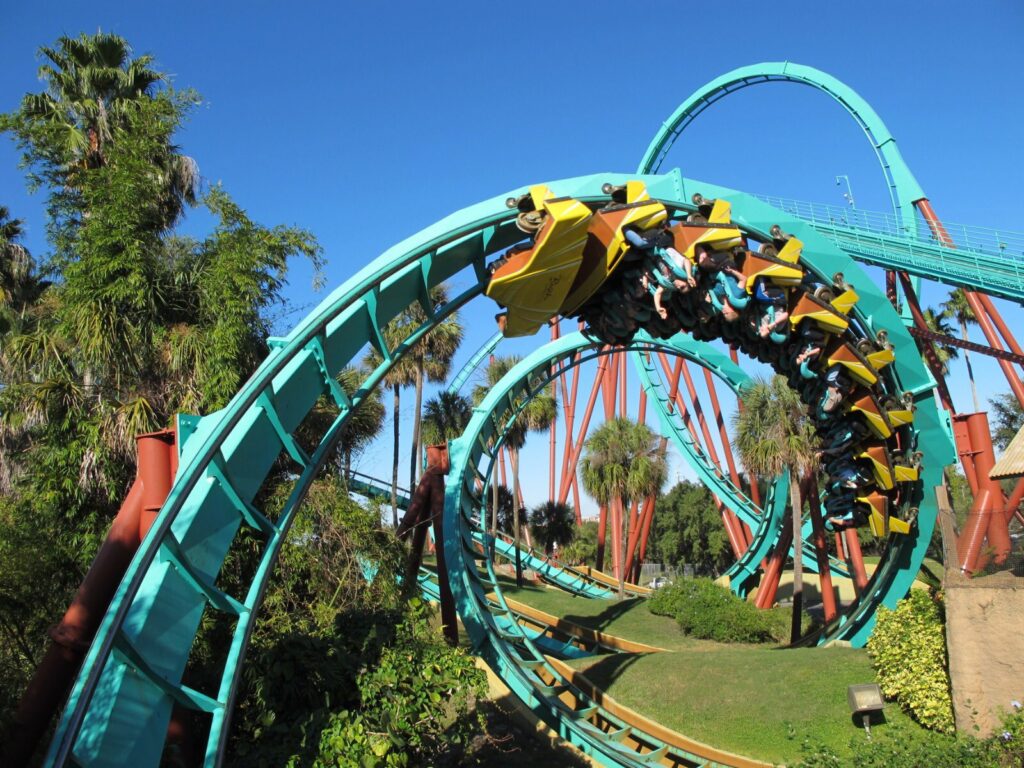
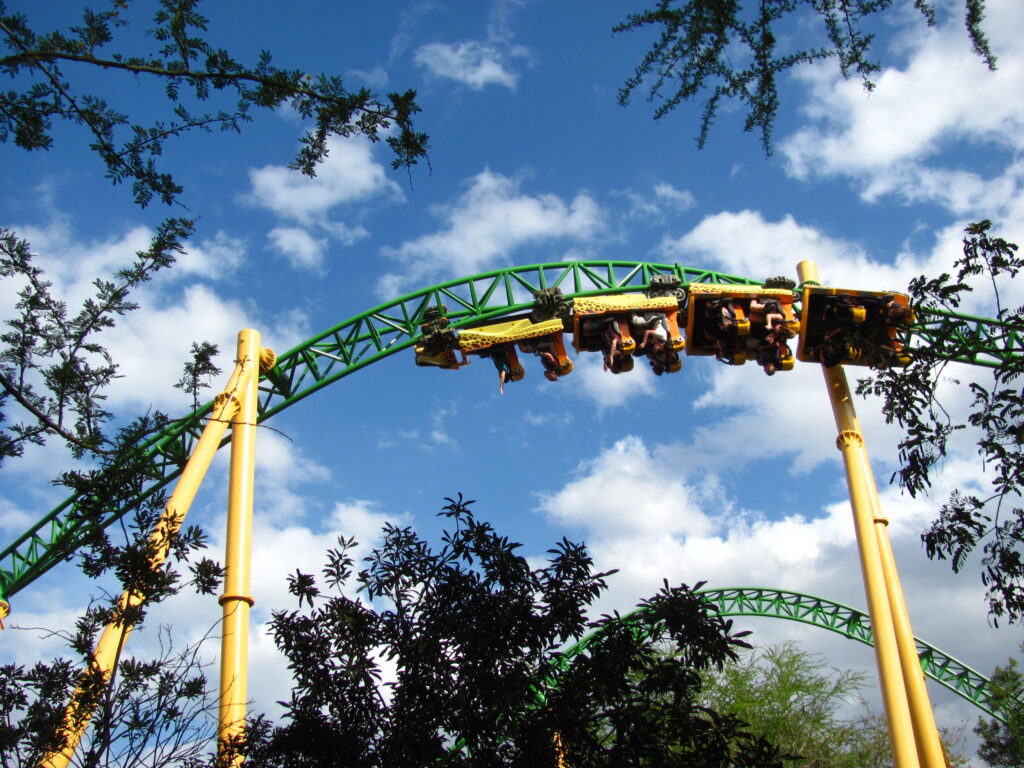
Ride hardware can become part of the story. Cheetah Hunt at Busch Gardens Tampa is a roller coaster designed to give guests a visceral sense of what it’s like to sprint across the Serengeti. The support beams, colors, and layout were all chosen to intentionally set the scene. Sound can also play a role. For Kumba at Busch Gardens Tampa, the coaster’s sound is intentional. “Kumba” is based on the Kikongo word for “roar”, and its sound reinforces its identity.
For Garey, success includes storytelling and integration. “Great theming, comfort, and aesthetics matter. The placement of the ride within the park should complement the theming and enhance the environment.”
Invisible Design: Operations and Trust
Operational conversations start early, soon after defining the guest experience. Early involvement allows the design team to shape the ride experience and fit it within the park’s circulation, sightlines, and arrival sequence. That early alignment ensures the attraction delivers both high-speed thrills and operational clarity from day one.
“These elements must be merged into a cohesive design,” Wieser explains. “You define the guest experience first, but before advancing the technical execution, operational procedures must be understood and integrated in a way that preserves that experience.”
Seemingly small considerations can have a major impact. Garey notes that allowing guests in the queue to see boarding procedures ahead of time can subtly improve throughput. Locker strategy, loose article policies, and station visibility all require alignment with the client’s operational preferences.
Designing with operators and maintenance teams in mind ultimately improves guest comfort and efficiency. Even elements like drinking fountains, shade structures, and trash receptacles contribute to a smoother overall experience.
Underpinning all of this is trust.
“Trust means believing the design team has the expertise to execute without requiring validation of every decision,” Wieser says. “If you’re constantly reassessing, it slows the process. We strive to be faithful stewards of the design program.”
Because coasters are highly visible, high-investment attractions, Garey notes, “every aspect of the client relationship is heightened.”
Of course, much of the design work guests never see.
“Another aspect guests may not appreciate is designing all the functional and operational requirements needed to operate and maintain the attraction safely while minimizing downtime,” Wieser says. “As soon as operational problems occur, they become very noticeable to guests.”
That operational rigor is central to how the team defines success.
“Reliability,” Wieser states plainly. “From construction and design through opening on time and on budget, that’s the number one metric. We provide attentive, diligent support during construction to resolve issues that might impede a successful opening.”
Designing for Riders—and Non-Riders
Roughly half of park guests may never board a major thrill coaster.
“About half of theme park visitors don’t ride extreme attractions,” Garey says. “We have to account for that half, too. Whether they’re walking past or watching, they should have a valuable experience.”
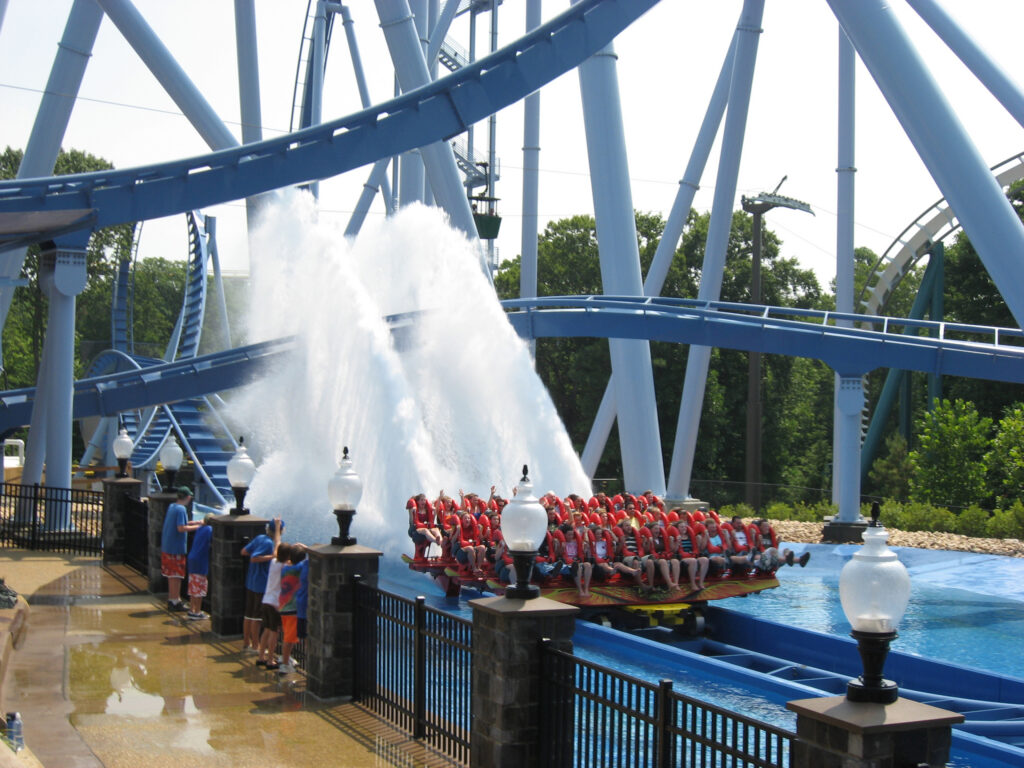
That value might come through spectacle, interaction, or shared moments like the splashdown on Griffon at Busch Gardens Williamsburg, which can soak guests along the pathway.
Creativity Within Constraints
For clients considering their first major coaster, Garey offers simple advice: “Do something unique. It doesn’t have to be one of a kind, but it should fill a gap in your lineup and provide a new experience within the regional landscape.”
Balancing creativity with constraints is constant work.
“Delivering on design intent is non-negotiable,” Wieser says. “But how you get there can take many forms. We evaluate time, story, and cost and present informed options. The goal is to reduce or eliminate in-field problem solving.”
Space, too, becomes a creative challenge—especially when working within tight sites or phased master plans that must account for future development. But these constraints often yield the most creative and unique results.
Looking Ahead
“The sophistication of engineering methods continues to grow,” Wieser says. “We’re seeing dynamic experiences that weren’t previously possible. We’re also seeing advances in accessibility. The restraint systems now accommodate a wider range of rider abilities and sizes.”
Garey points to the rise of the “full-package” experience: thrilling ride systems paired with comfortable restraints and deeper storytelling. Manufacturers are innovating in track design, ride positions, and refinement of legacy coaster types. And yes—record-breaking rides are returning.
At the core, though, the mission remains unchanged.
“We care deeply about delivering iconic attractions that provide tremendous value,” Wieser says.
“We’re passionate about coasters,” Garey adds. “When we have the privilege of working on one, we want to deliver the best ride possible because we want to ride the best ride possible.”
The Finale
“If a coaster is conceived as an exciting, story-driven experience, it must fulfill that premise,” Wieser says. “It should shape anticipation throughout the journey and reward riders with a joyful, memorable finale.”
Garey wants the guest to walk away with a feeling. “Awe and wonder,” he adds.
Ultimately, if families are laughing, friends are high-fiving, and shared memories are being made, that emotional response, they agree, is the measure of a coaster done right.
Date
February 17, 2026
Categories
Tags