
Landscape Connection in Zoos
November 3, 2026
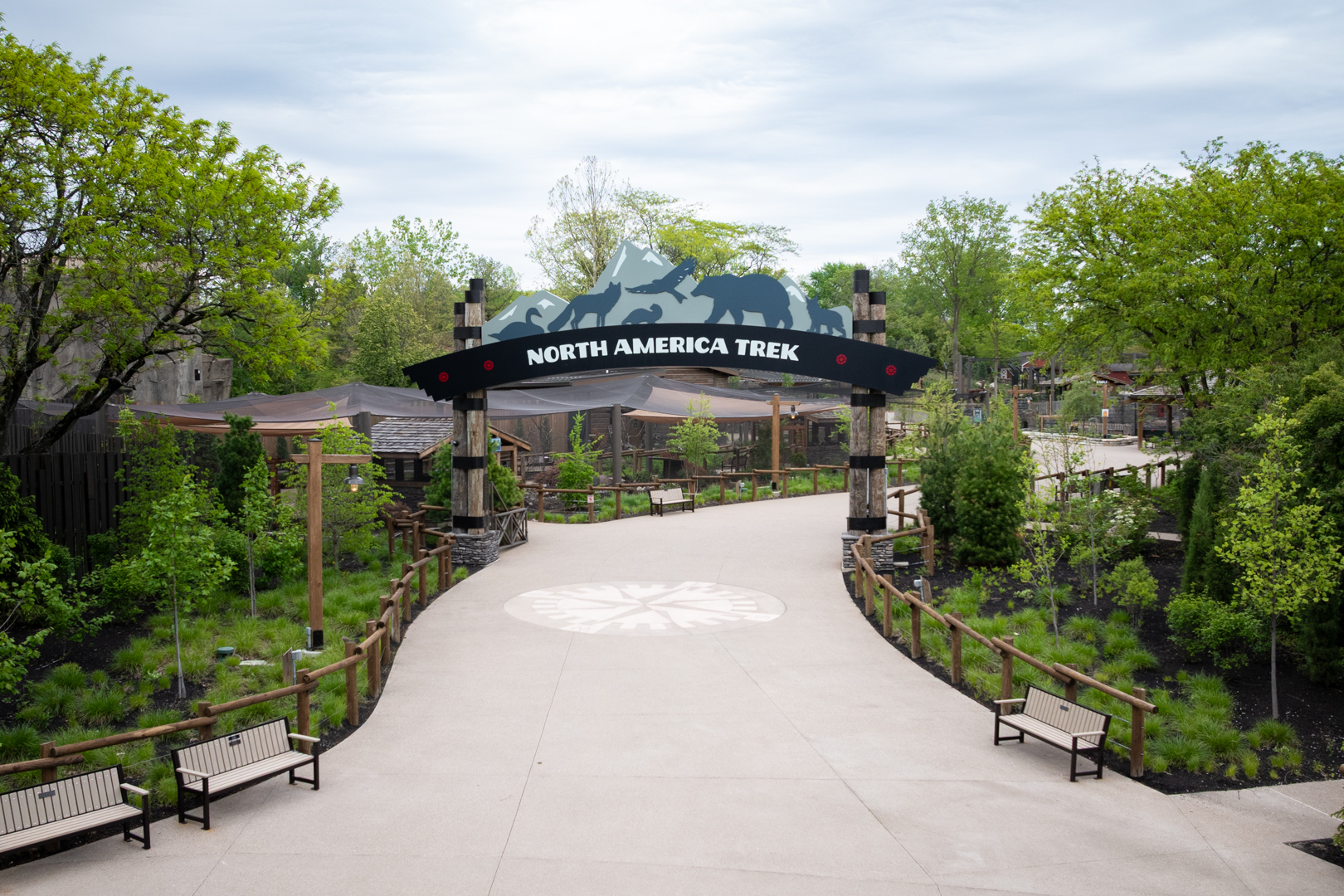
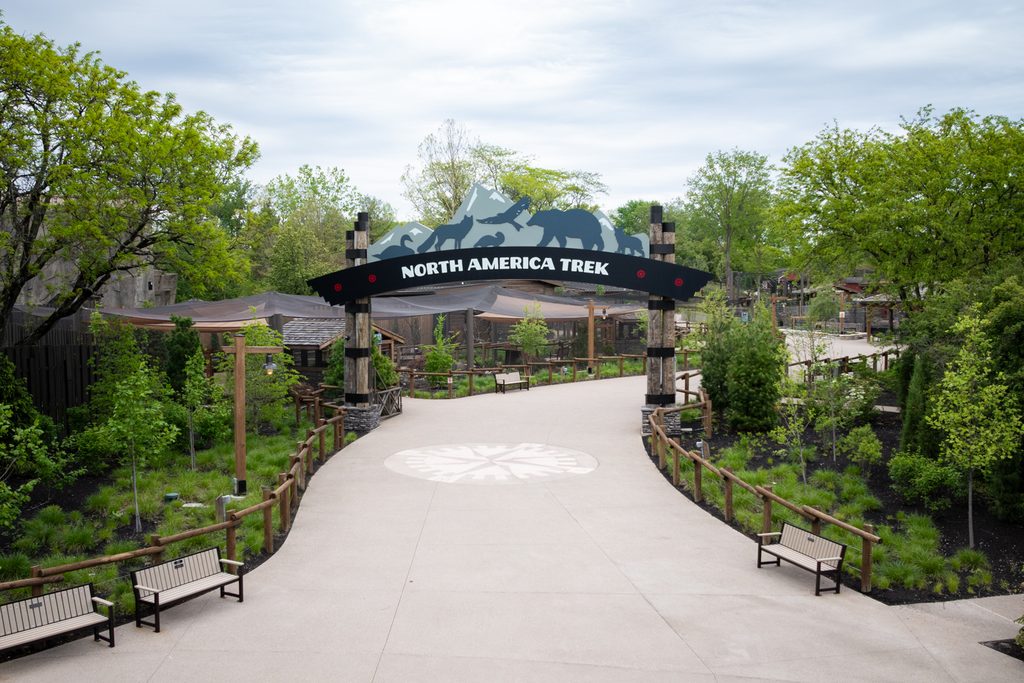
Think about zoo design. What comes to mind most often will likely be the animal habitats. The landscape architecture might not be top of mind, but every plant, viewpoint, and natural element helps tell a story, creating connections between animals, ecosystems, and the people who visit them.
Landscape architecture provides a unique opportunity to shape that connection. It allows guests to better experience the environments animals call home and begin to understand the larger conservation story.
Alyssa Garcia, PGAV Landscape Architect, says, “At its best, zoological design is about designing environments that support animal wellbeing while inspiring people to care about wildlife and conservation. Storytelling bridges those goals, and landscape architecture is a preeminent part of the story.”
Designing for Animals First
Healthy, active animals are the foundation of a meaningful guest experience. If an environment supports natural behaviors such as climbing, digging, exploring, resting, or socializing, it creates richer opportunities for both animal wellbeing and visitor engagement.
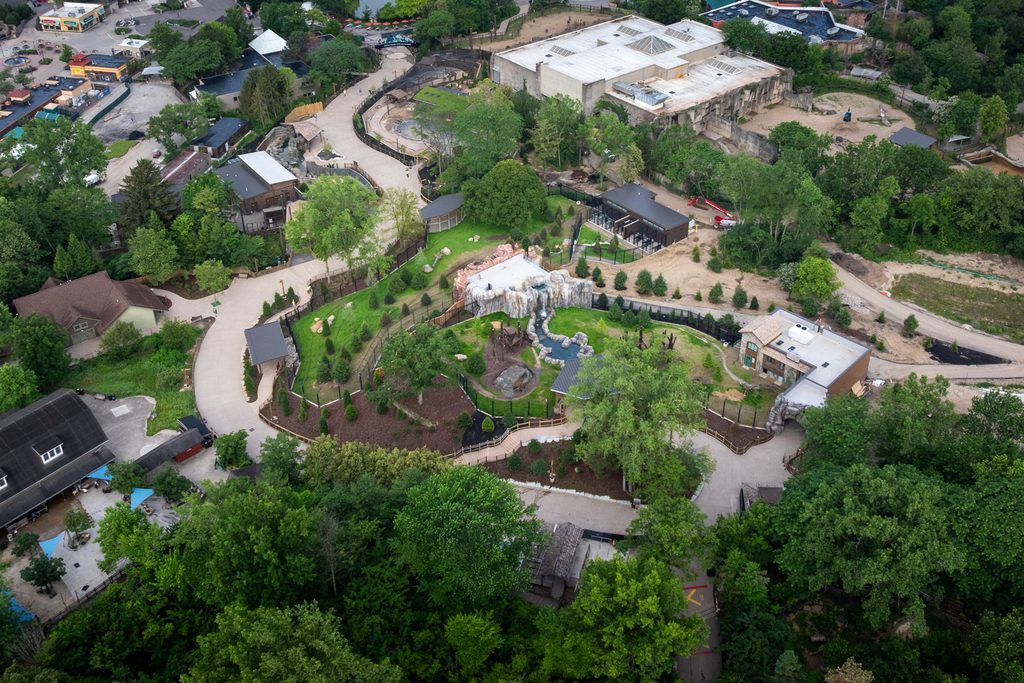
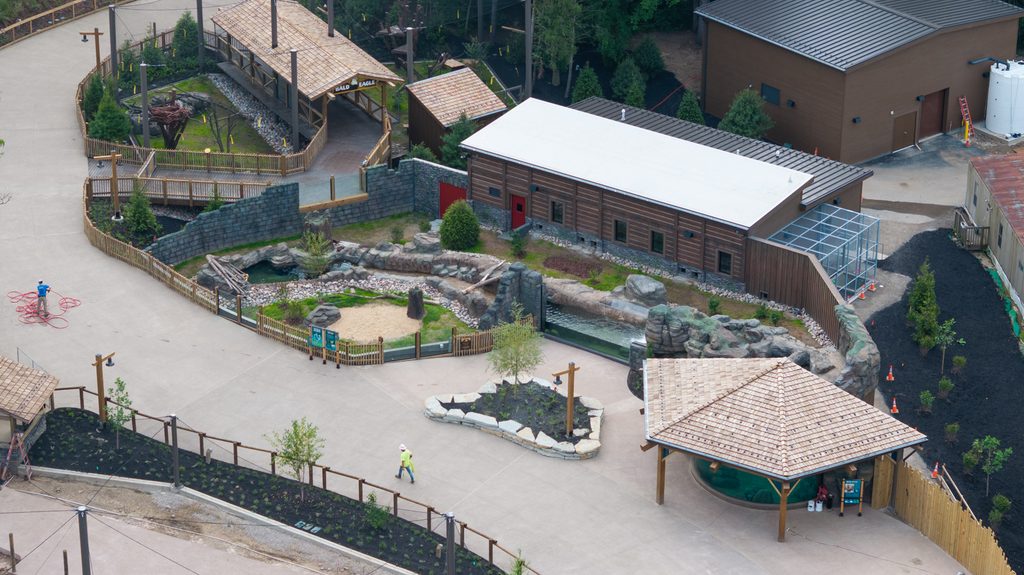
That philosophy guided the design of North America Trek, an eight-acre transformation at the Columbus Zoo and Aquarium. Rather than designing a collection of separate habitats, the PGAV team developed a narrative framework that allows guests to travel across the continent. Visitors begin in Ohio wetlands and gradually move westward through Arizona landscapes before ending in California’s Sierra Nevada region. Along the way, they experience landscapes that evoke each region while learning how wildlife conservation connects them all.
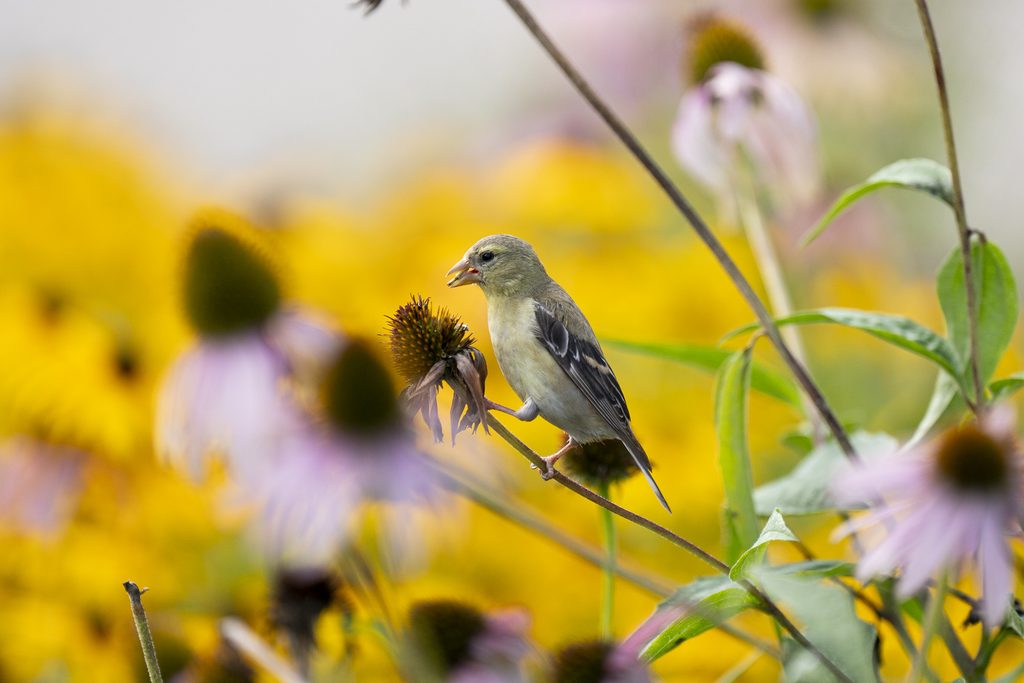
Photo courtesy of Amanda Carberry, Columbus Zoo & Aquarium
The Power of Landscape in Storytelling
Landscape architecture plays a vital role in creating immersive environments. Garcia explains, “Visitors may not study the plants or notice every grading decision, but they immediately sense when a landscape feels authentic. When the surroundings don’t match the story, people notice. When they do, guests naturally suspend disbelief and feel transported.”
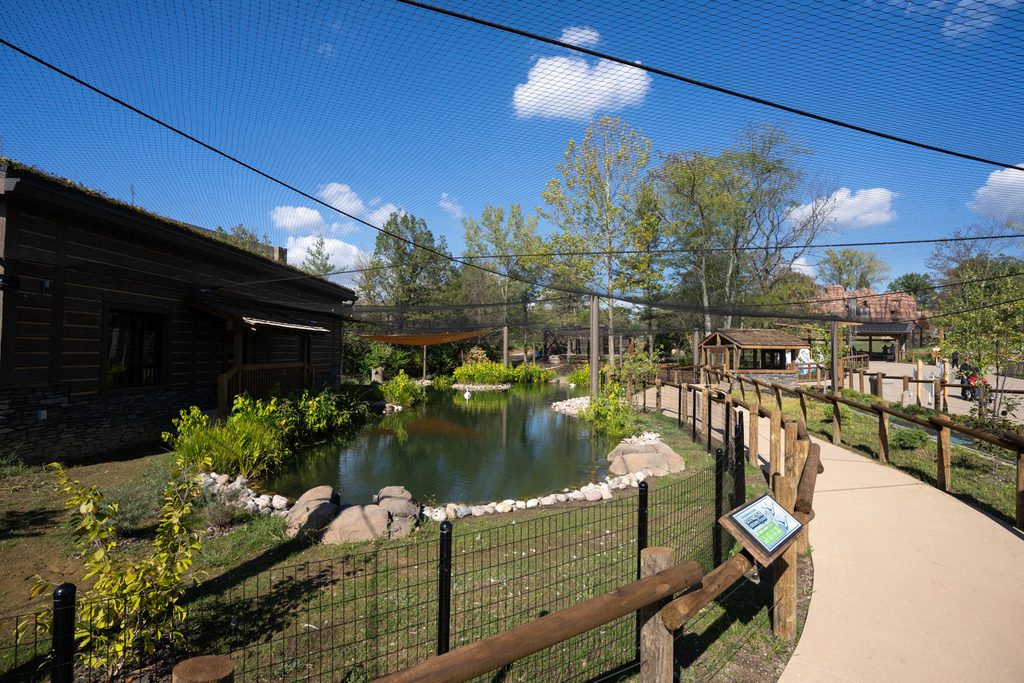
In the Ohio wetlands portion of North America Trek, native plants, wooden railings, and habitat features recreate the region’s character. Working with local resources and native plant experts, the design team selected species commonly found throughout Ohio wetlands. The landscape feels wild while remaining carefully managed and maintained. “The result isn’t meant to replicate nature exactly. It’s an interpretation that captures its essence,” Garcia notes.
Just one growing season in, the effects are already noticeable. Nikki Smith, curator of the Columbus Zoo’s North America Region, notes, “In the aviary, the purple coneflower and black-eyed Susans are a magnet for our seed eaters. Watching our cedar waxwings trade berries between them, taken from plants in the habitat, gives our guests a view they might only have out as a birdwatcher and might inspire a generation to take up a new hobby.”
Creating Meaningful Animal Experiences
For Garcia, one of the most rewarding challenges in zoological design is finding ways to recreate natural systems while addressing the realities of animal care, safety, and maintenance.
For example, the new river otter pool has roughly three times the water space of its previous habitat. A deep pool features a curved acrylic viewing window that allows guests to experience the animals’ underwater world. Views into streams, natural rockwork, and native vegetation create a dynamic environment from every angle.
The bald eagle habitat uses the landscape to create eye-level encounters. Guests walk along a boardwalk that leads them to a covered bridge where they have a canopy-level viewing experience, allowing eagles to soar overhead.
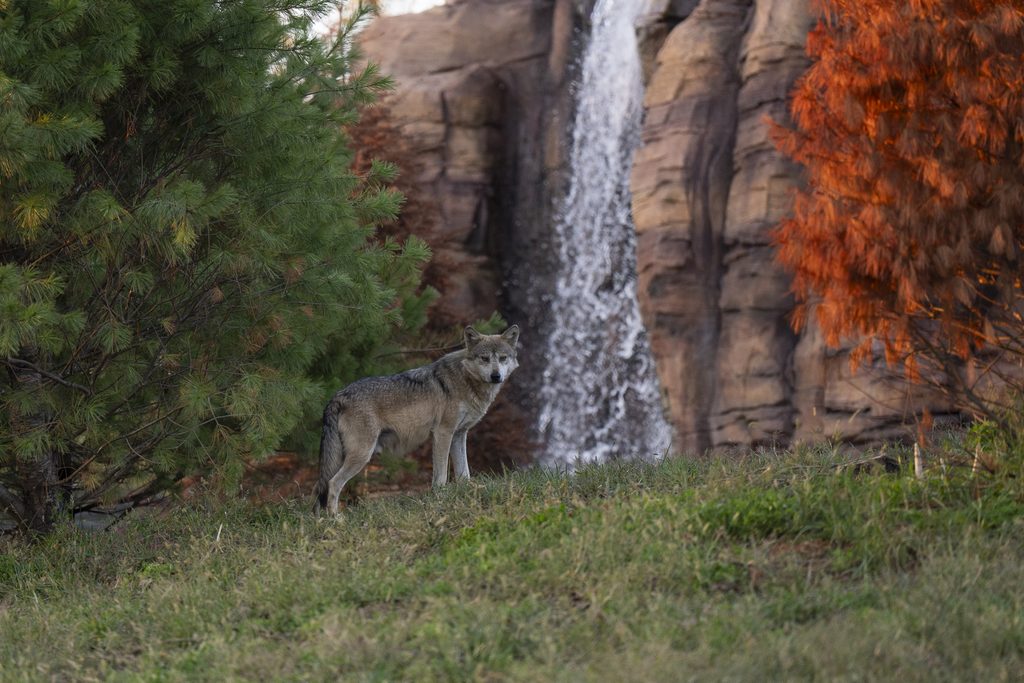
In Arizona, Mexican wolves occupy terrain designed to encourage natural behaviors such as digging, exploring, and group resting. Waterfalls, rock formations, and carefully selected plant species evoke the Southwest while supporting the animals’ daily needs.
Even the landscape palette becomes part of the story. To create the feeling of Arizona in Ohio, the design team researched regional species and discovered unexpected overlaps. Smith notes, “At the wolf habitat, we have yucca and prickly pear that are native to Ohio but really give the feeling that you’re in the Southwest with plants that thrive locally.”
“These details may seem small, but when used together they strengthen the authenticity of the experience,” Garcia says.
Designing for Every Guest
Creating meaningful connections also means making those experiences accessible to as many people as possible, even when the topography presents a challenge.
Karen Schenk, Senior Director of Planning and Design at Columbus Zoo, says, “I’m especially proud of the accessible views for guests of all ages and abilities. Glass viewing panels along the guest fencelines in several locations provide unobstructed views for guests in wheelchairs and kids in strollers. Additionally, this region of our zoo has the most significant topographic change, and the design team did a great job of working to ease the pathway grades so that all our guests can better enjoy the experience.”
Designing Nature Safely
Of course, recreating nature in a zoo environment comes with constraints. Designers must balance authenticity with animal safety, keeper operations, maintenance requirements, and visitor experiences.
A climbing structure for a bear may look natural but is engineered more like a playground. Beneath the rustic appearance are structural supports and safety considerations that protect animals if they slip or fall.
Facilities must carefully select trees based on growth habits, maintenance needs, and long-term operations. In aviaries, plant species may need to remain below a specific height so they don’t interfere with netting or infrastructure. For habitats where animals interact aggressively with vegetation, plant selections must withstand wear or be protected during establishment.
“Much of zoological design is about recreating the freedom and opportunity of nature within manageable boundaries. We work to create environments that feel natural and function naturally, but are operationally effective,” Garcia says.
Conservation Starts at Home
One of the most important messages embedded throughout North America Trek is that conservation doesn’t happen only in distant wilderness areas. Many of the species, plants, and ecological relationships visitors encounter have parallels much closer to home.
The project preserved 175 existing trees, repurposed removed trees as animal enrichment, and planted 335 new trees. Removing invasive species created space for native vegetation, resulting in a landscape composed of nearly 90 percent native plantings. Together, these efforts strengthen the connection between local ecosystems and broader conservation goals.
Green roofs and a rain garden put sustainable design on display, making these practices part of the guest experience. “The green rooftops were thoughtfully positioned so they are visible to the guests. This detail shows sustainable design in action and encourages others to consider choices that help the environment. The rain garden is also a guest-facing feature that illustrates how making site design decisions and using the right plant for the right place makes a positive environmental impact,” Schenk says.
“Whether someone lives in Ohio, Missouri, or California, there are opportunities to support biodiversity, protect native habitats, and make choices that benefit wildlife. When visitors leave understanding that connection, the landscape has become a tool for conservation,” Garcia notes.
A Living Story
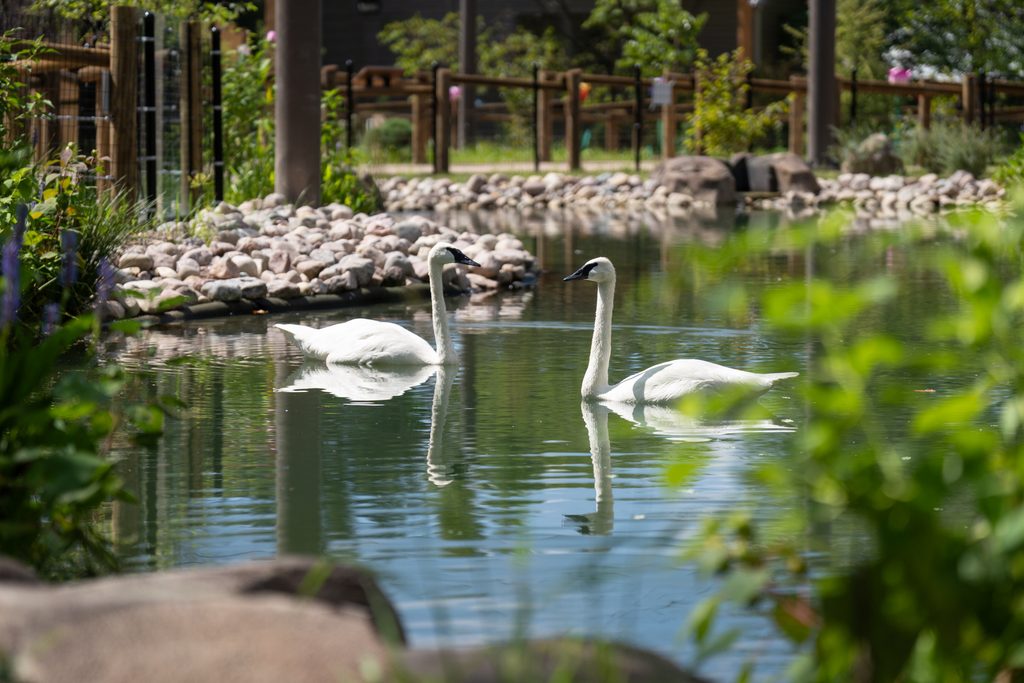
Living elements create their own story. A newly planted tree will look different a year from now. Five years from now, it may provide shade, habitat, and entirely new visual experiences. Plants offer textures, scents, movement, and exploration. Seasonal change introduces new environmental conditions that animals can respond to throughout the year.
“When an environment naturally encourages exploration and choice, it supports animal welfare in a more holistic way than isolated enrichment devices ever could,” Garcia notes.
Garcia believes that is what makes landscape architecture in zoological design so powerful. “By combining thoughtful habitat design, storytelling, and living ecosystems, we create places where animals thrive and guests find connection. And that feeling can inspire a deeper understanding of the animals, ecosystems, and conservation challenges we hope they will carry with them.
Date
November 3, 2026
Categories
Tags