
PGAV’s Voice of the Visitor International: Anticipation to Memory
May 12, 2026

Travel begins long before a plane takes off. Guests shape their trip in their minds with images of iconic places and imagined moments. But what travelers carry home is often something different. PGAV’s Voice of the Visitor: International reveals a reversal between expectation and memory, exposing the hidden dynamics between anticipation and experience. For attraction designers, the gap between anticipation and memory is where the real work begins.
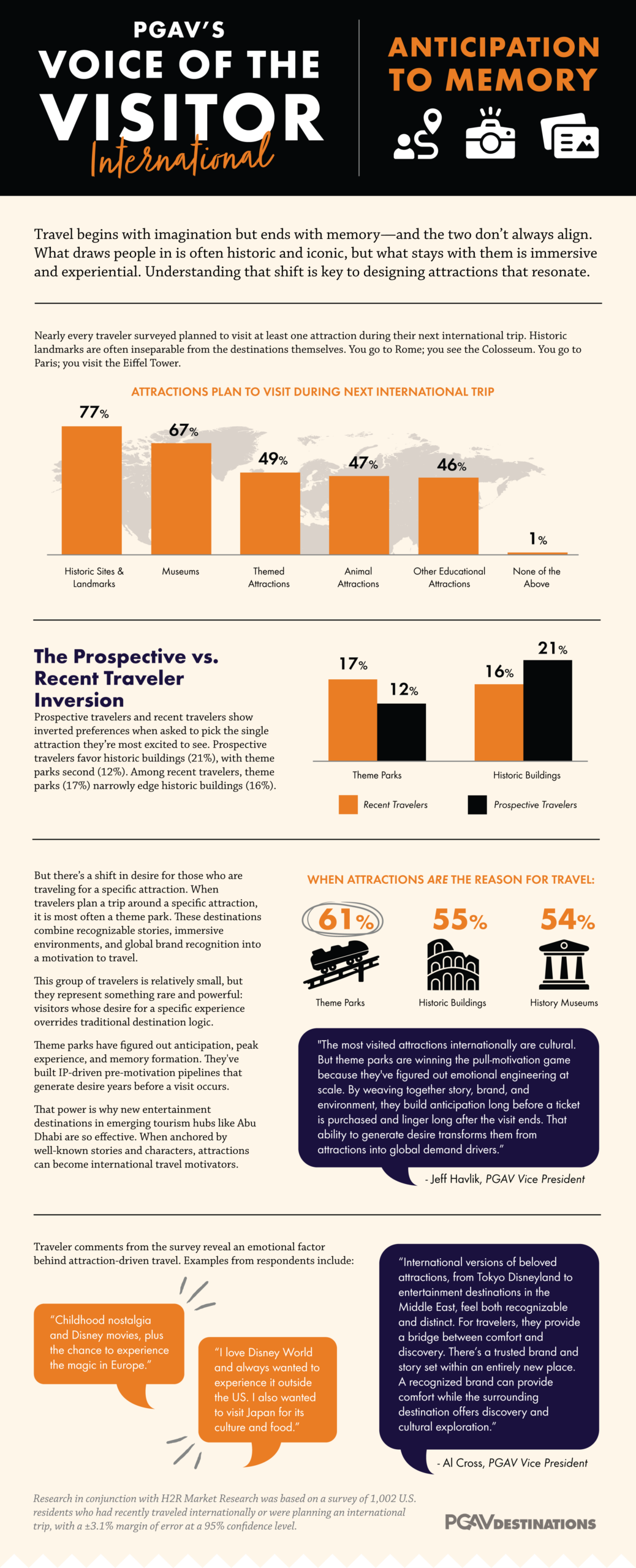
Nearly every traveler in PGAV’s survey planned to visit at least one attraction during their next international trip, with historic sites and landmarks leading with 77%. It’s not surprising considering that historic landmarks are often inseparable from the destinations themselves. You go to Rome; you see the Colosseum. You go to Paris; you visit the Eiffel Tower.
Experience Corrects the Romantic Assumption
Before traveling internationally, people imagine cinematic moments. They stand before ancient monuments, wander historic streets, and encounter iconic architecture. The idea of international travel is deeply intertwined with historic imagery.
But the experience once there is sometimes less than stellar. Crowds, wayfinding challenges, and limited interpretation can flatten what was supposed to be a peak moment. As a Psychology Today article explains, the brain’s prefrontal cortex constructs what researchers call a “neural promise” ahead of any experience, with dopamine rising in anticipation rather than reward. When reality doesn’t meet that internal narrative, what neuroscientists call prediction error occurs. That’s the gap between what the brain expected and what actually happened. The result can be a surprising sense of flatness, even disappointment, at monuments that are genuinely extraordinary.
This effect can be heightened by the intensity with which visitors have pre-imagined an experience. University of Wisconsin–Madison research found that the more activated the amygdala and hippocampus were during anticipation, the more vividly an experience was ultimately encoded into memory: for better or worse. In other words, high anticipation sharpens the emotional stakes of any gap between expectation and reality.
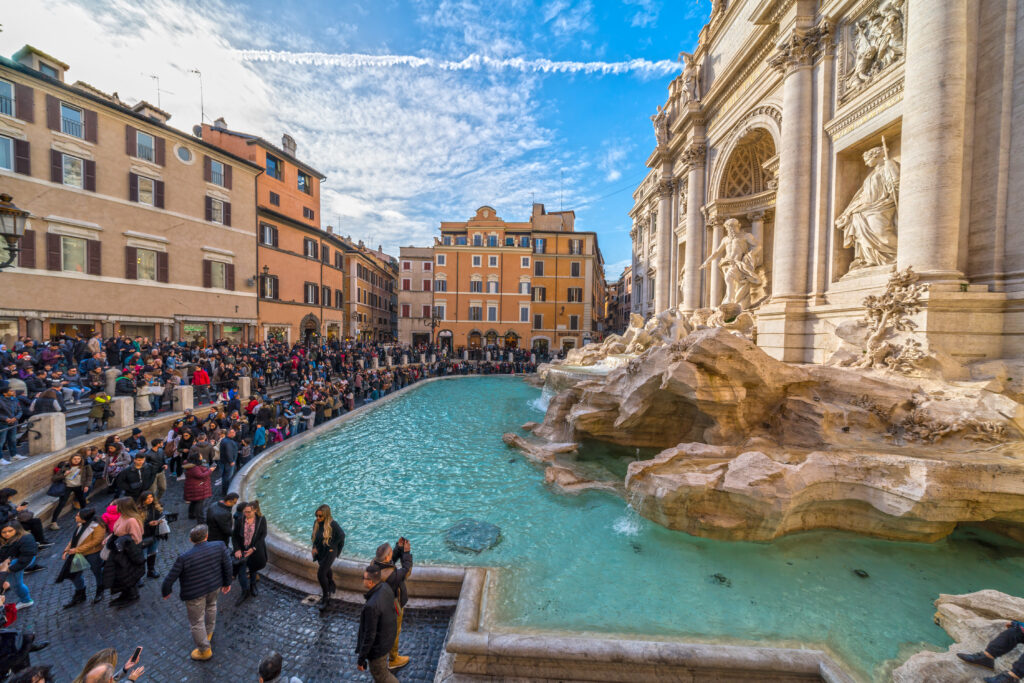
“Think of the Trevi Fountain in Rome. You imagine this cinematic moment, and it’s going to be just like the movies. But when you get there, you’re surrounded by 5,000 people. That changes everything. You’re not turning a corner to smell authentic food or encounter locals. You’re hitting a wall of people. The real opportunity for designers is to understand that the draw of history and culture is often disappointing in reality. We need to recreate that draw in a thoughtful way, so visitors get the experience they expect,” explains Jeff Havlik, PGAV Vice President.
The Prospective vs. Recent Traveler Inversion
Prospective travelers and recent travelers show inverted preferences when asked to pick the single attraction they’re most excited to see. Prospective travelers favor historic buildings (21%), with theme parks second (12%). Among recent travelers, theme parks (17%) narrowly edge historic buildings (16%).
That inversion may reflect a deeper psychological dynamic at work in how we form expectations, live experiences, and then carry them forward as memory. Havlik says, “Places like the Trevi Fountain are now working to control access, preserve the environment, and deliver the experience people envision. That may come at a price, including an entry fee. But when it’s free, the experience often breaks down. Paying for it can be worth it.”
When Travelers Plan Around an Attraction
The research reveals an interesting shift for travelers who are traveling for a specific attraction. When travelers in the PGAV study plan a trip around a specific attraction, it is most often a theme park. These destinations combine recognizable stories, immersive environments, and global brand recognition into a compelling motivation to travel. PGAV Vice President Al Cross notes, “The romanticized view of international travel is fading due to overcrowding and poor experiences. One reason people might choose a theme park first is that they know they’ll have a great experience. They know it’s worth it. There is a much smaller gap between the romanticized vision and the actual experience.”
This group of travelers is relatively small, but they represent something rare and powerful: visitors whose desire for a specific experience overrides traditional destination logic.
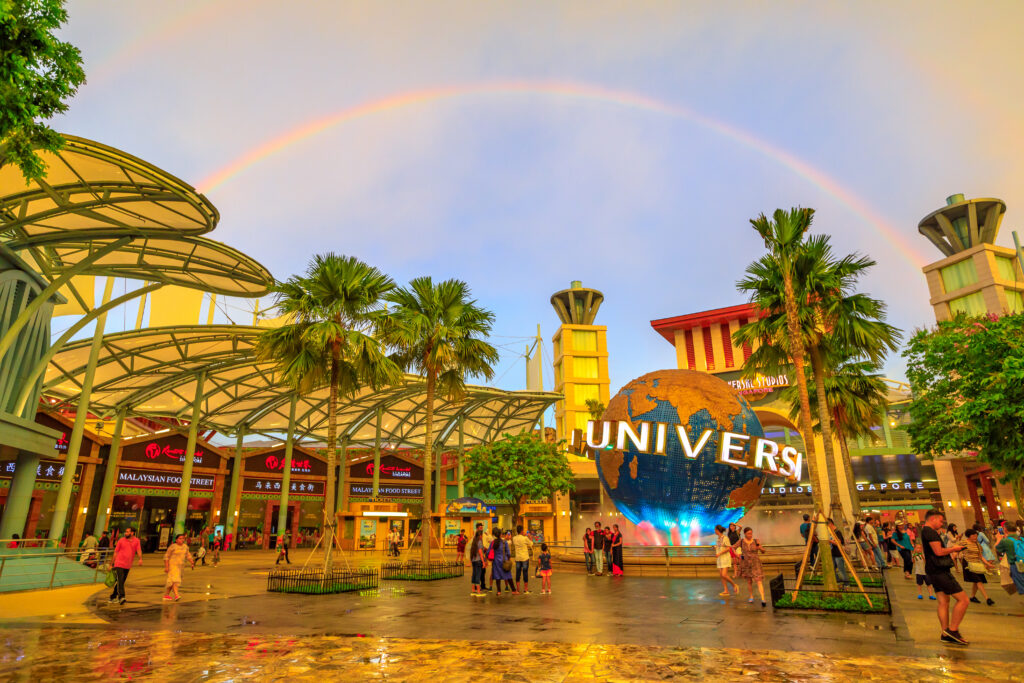
The numbers bear this out. According to the Themed Entertainment Association’s 2024 Global Experience Index, the combined attendance of the top 25 theme parks globally grew to nearly 246 million. That’s a 2.4% increase from the prior year, with internationally branded parks in China registering record attendance. Magic Kingdom at Walt Disney World in Orlando topped the list as the world’s most-visited theme park, followed by Disneyland California. Of the top 25 parks, international Disney and Universal properties, including Tokyo DisneySea, Shanghai Disneyland, Universal Studios Japan, and Disneyland Paris, featured prominently alongside their American counterparts. These are not just local attractions; they are global demand drivers generating travel from multiple continents.
Cross says, “There’s a subset of American international travelers who will travel specifically for Disney, and it’s almost entirely unique to that brand. Disney is a draw on its own because it’s historic, iconic, and consistently immersive. People know what they’re going to get. They recognize it, trust it, and come away with lasting memories.”
Theme parks have figured out anticipation, peak experience, and memory formation. They have built IP-driven pre-motivation pipelines that generate desire years before a visit occurs through films, merchandise, social media, and storytelling. Research on tourism memory confirms that memories of experiences are powerful predictors of revisit intention and word-of-mouth recommendation. Theme parks, by engineering emotional peaks, are engineering lasting memories by design.
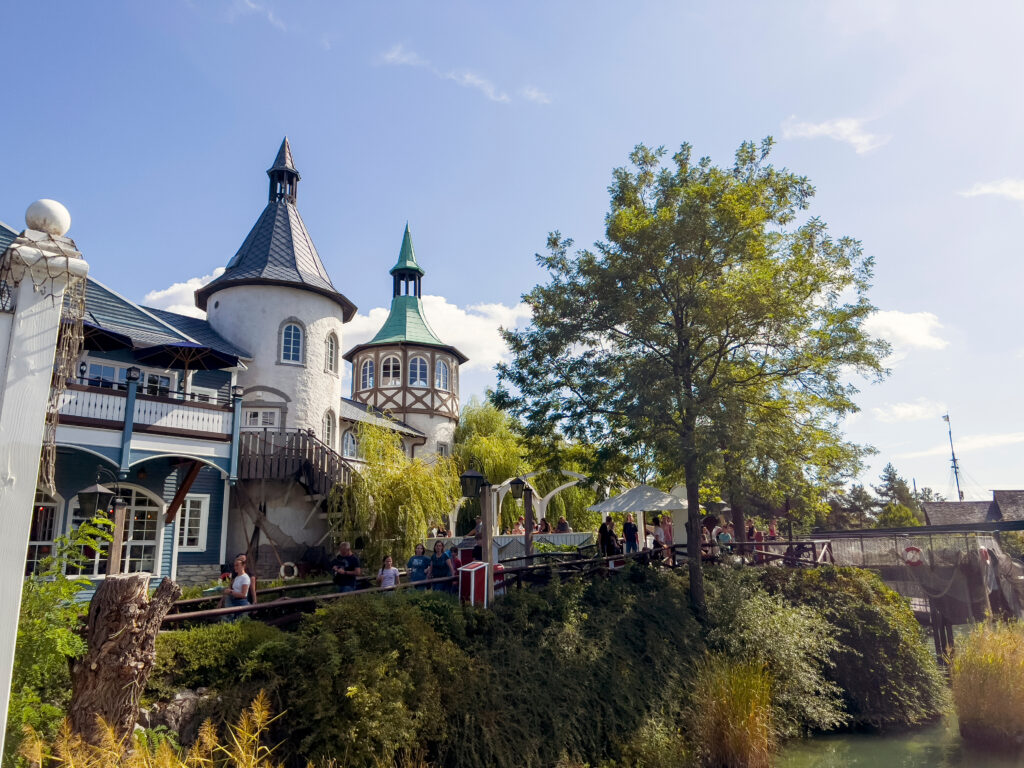
Havlik notes that while Disney might be the most visited, other international theme parks are prioritizing the experience with great results. “Europa-Park does this well. They have 19 themed lands representing European countries. The food, merchandise, and architecture are authentic. They bring in artisans and craftspeople from those countries and have even relocated historic structures. It’s a deep commitment to authenticity, in a clean, safe, controlled environment that resonates with guests.”
“Disney’s Main Street and New Orleans Square capture idealized versions of small-town America and New Orleans. They are versions of small-town America or New Orleans, but idealized. It’s what people want it to be. Nostalgia and imagination delivered better than reality,” Havlik says.
Cross adds that this idea extends beyond real-world places: “Theme parks are like stepping into imagination. It’s not about reality. It’s about amplifying the story and emotion.”
The Emotional Architecture of Attraction-Driven Travel
Traveler comments from the survey reveal the emotional factor behind attraction-driven international travel:
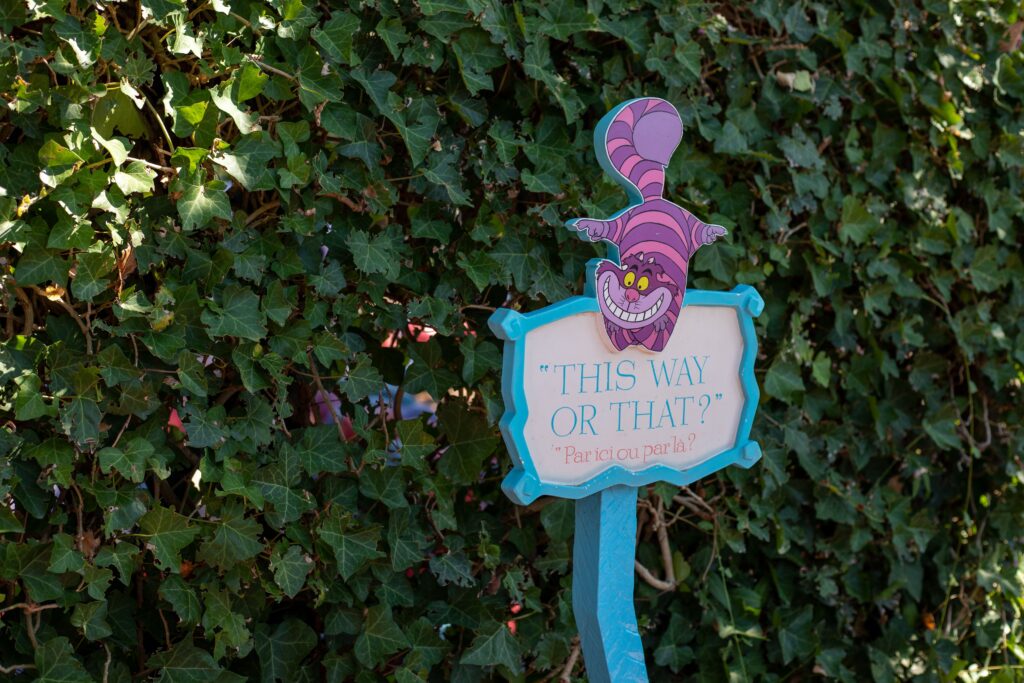
“Childhood nostalgia and Disney movies, plus the chance to experience the magic in Europe.”
“I love Disney World and always wanted to experience it outside the US. I also wanted to visit Japan for its culture and food.”
These responses point to what tourism researchers call episodic future thinking, the mental act of projecting oneself into a desired future experience. Prior experiences (childhood movies or video games, family trips to American parks) combine with present-day desires to create a specific, emotionally charged anticipation. The destination and the attraction become fused in the traveler’s imagination long before any trip is booked.
Memory, which informs anticipation, which in turn informs future behavior, gives globally recognized IP its pull in international tourism markets. A traveler who grew up watching Disney movies, exploring the wizarding world of Harry Potter, or playing Super Mario wants to enter a world they already know and love, but in a new, unexpected context.
Implications for Attraction Design
The inversion between prospective and recent travelers sends a clear signal for attraction designers and destination managers: pre-trip imagination sets a high bar that the real experience must meet. For historic sites and cultural landmarks, closing the gap between anticipation and reality requires intentional design, including crowd management and the engineering of memorable peaks.
Research shows that positive experiences strongly drive revisits, recommendations, and long-term loyalty. The experience doesn’t end at the exit; it evolves each time it’s remembered, shared, or anticipated again.
Theme parks have understood this for decades. For the broader attractions industry, from heritage sites to museums to emerging destinations, experience design is the mechanism that turns anticipation into memory, and memory into return visits.
“The most visited attractions internationally are cultural. But theme parks are winning the pull-motivation game because they’ve figured out emotional engineering at scale. By weaving together story, brand, and environment, they build anticipation long before a ticket is purchased and linger long after the visit ends. That ability to generate desire transforms them from attractions into global demand drivers,” Havlik says.
Date
May 12, 2026
Categories